Report on the International Conference 2026 at the Goetheanum
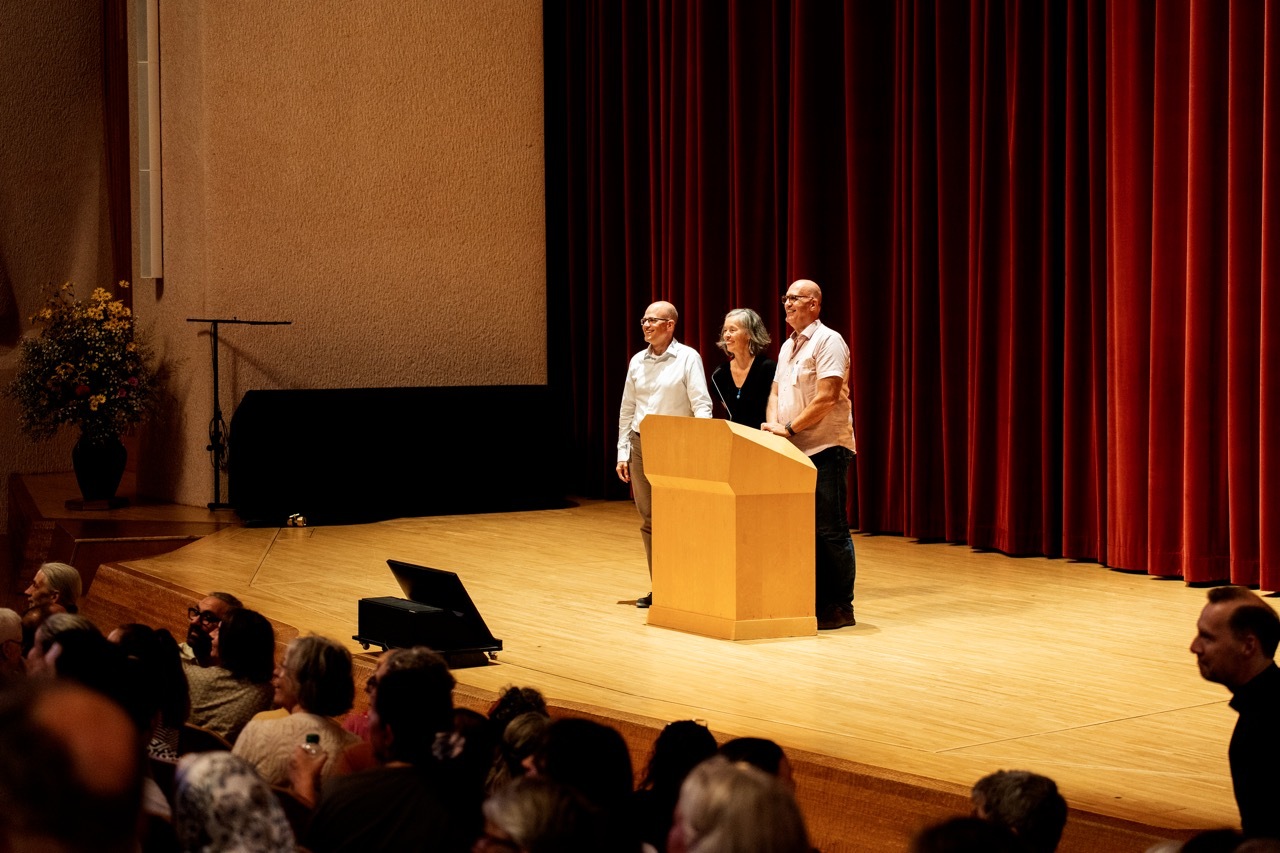
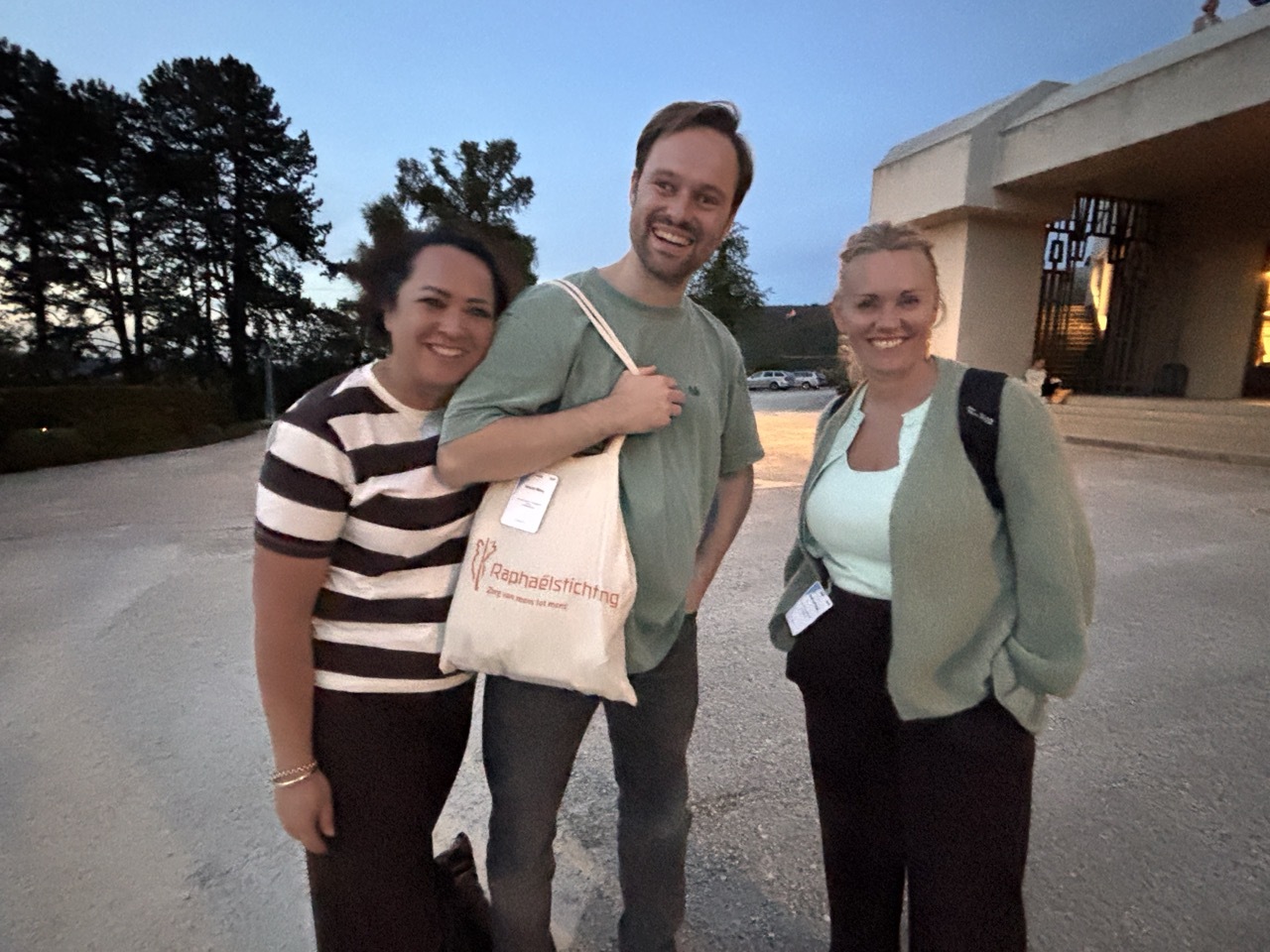
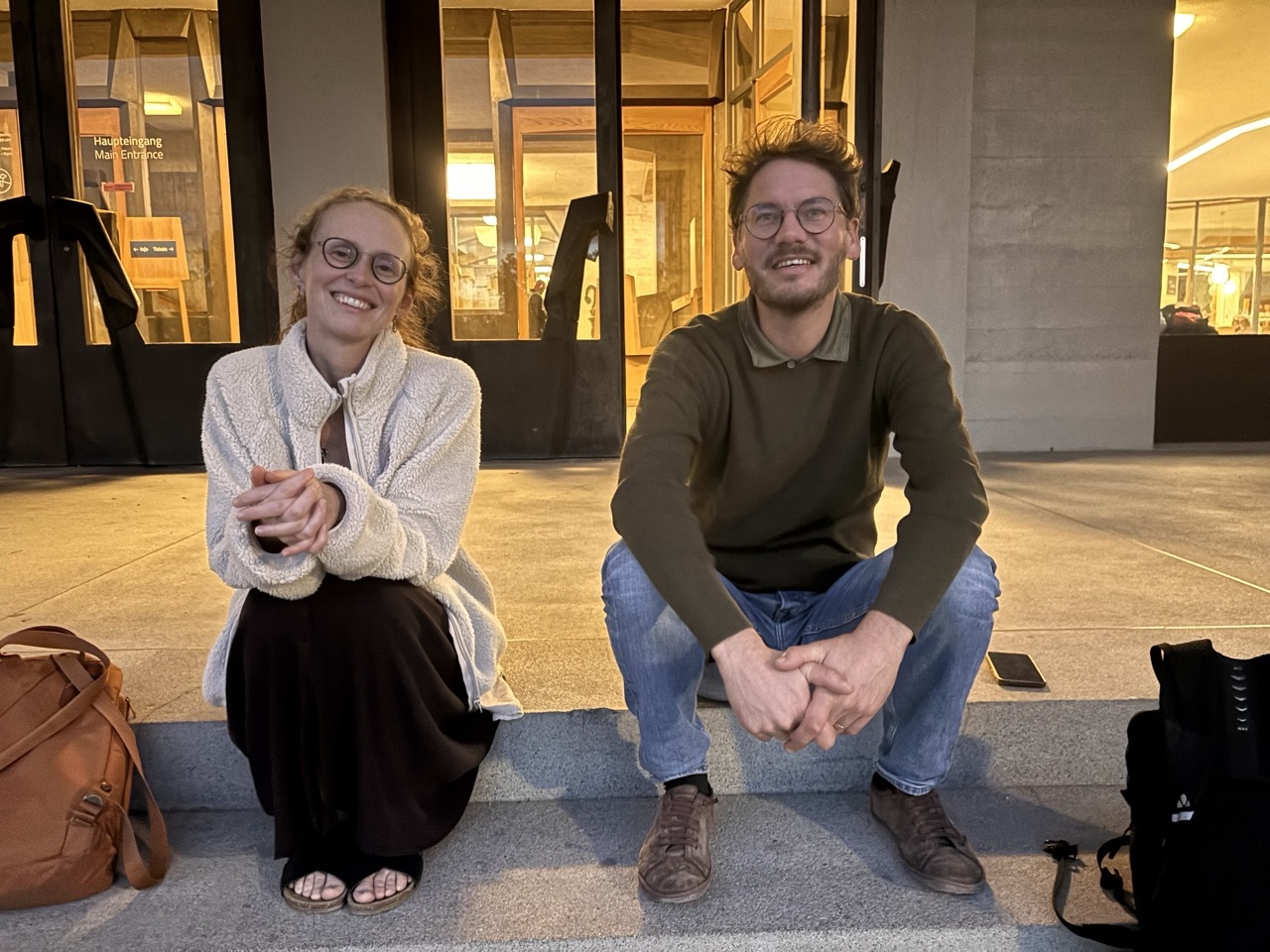
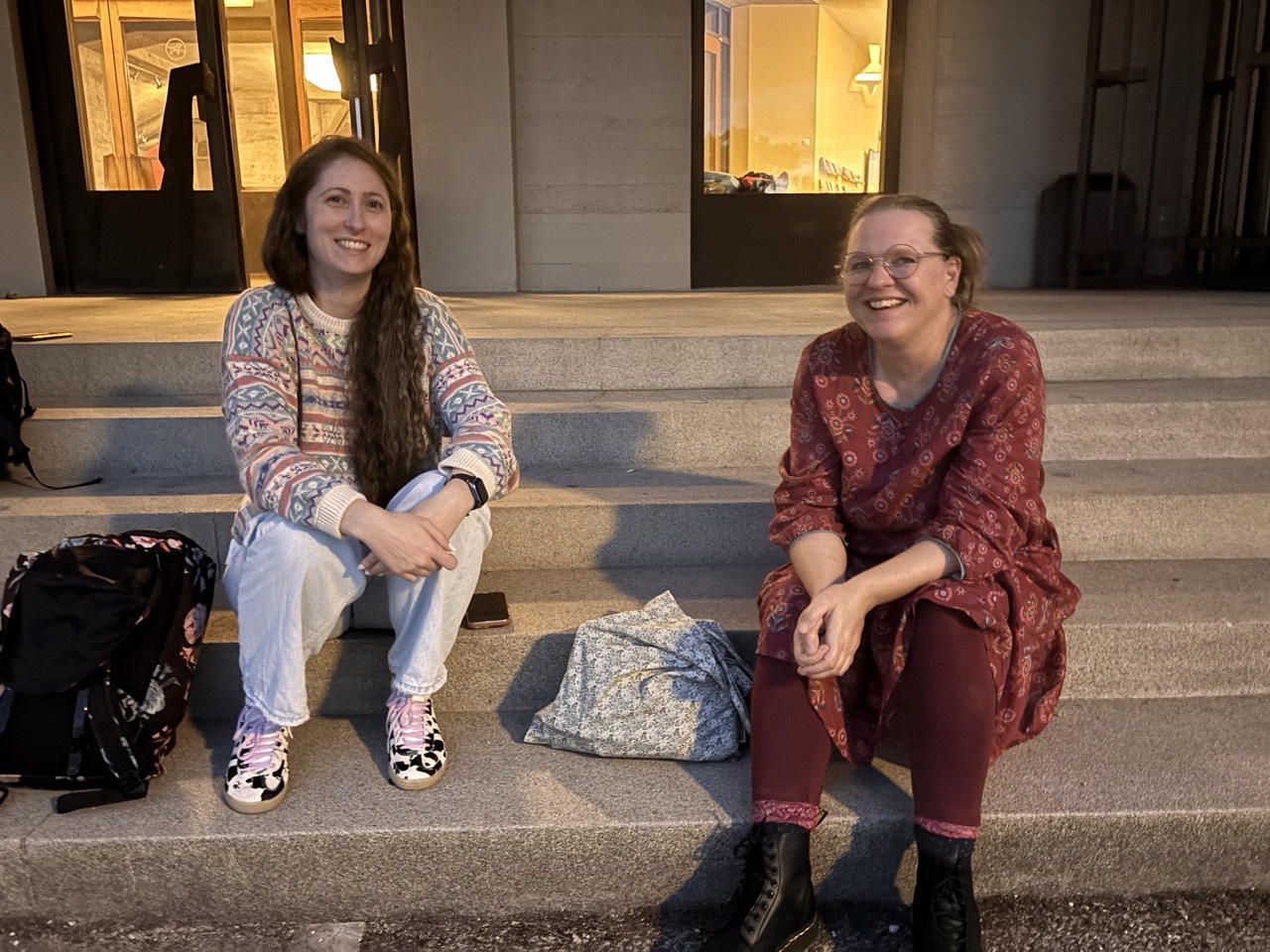
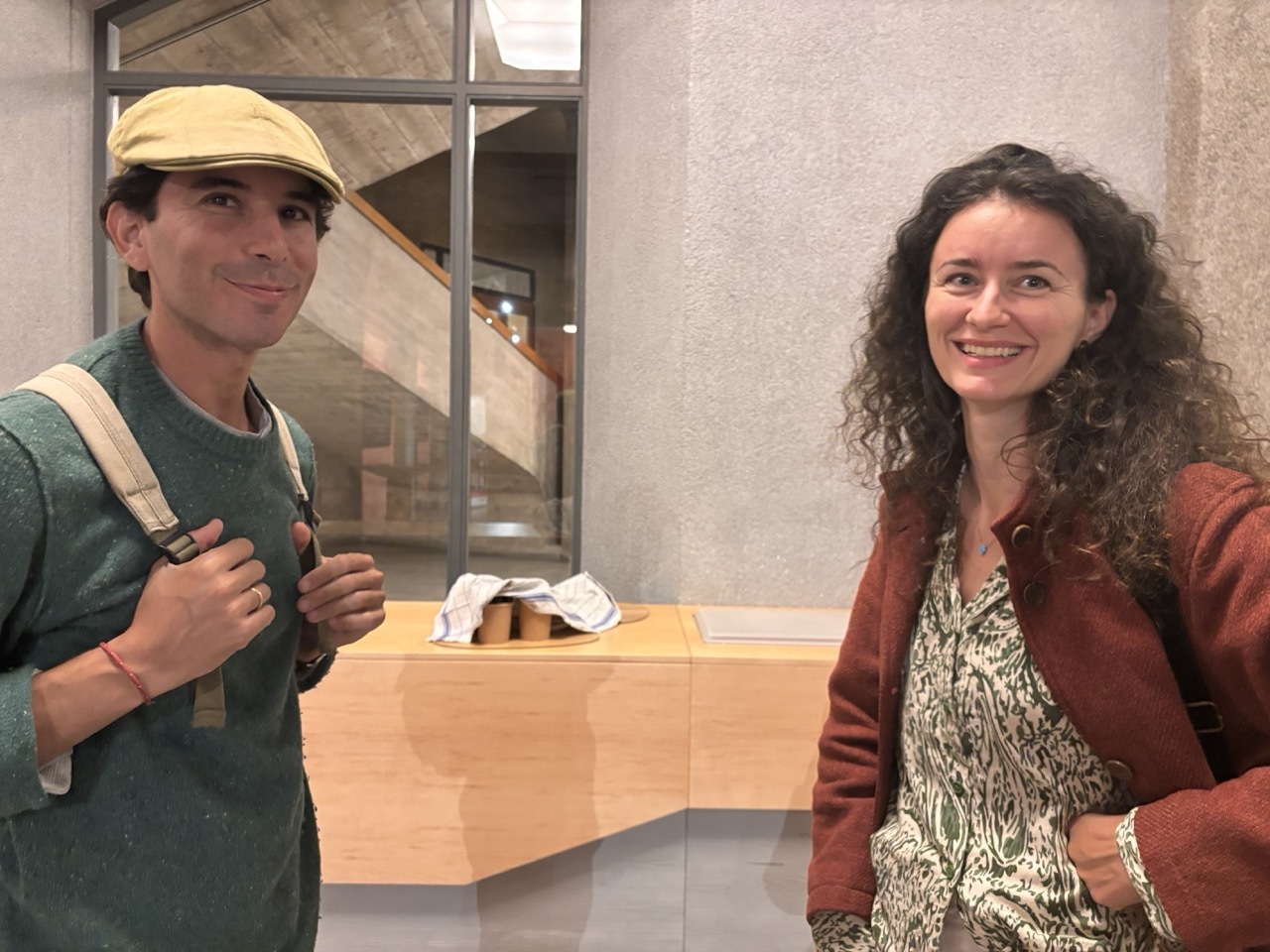
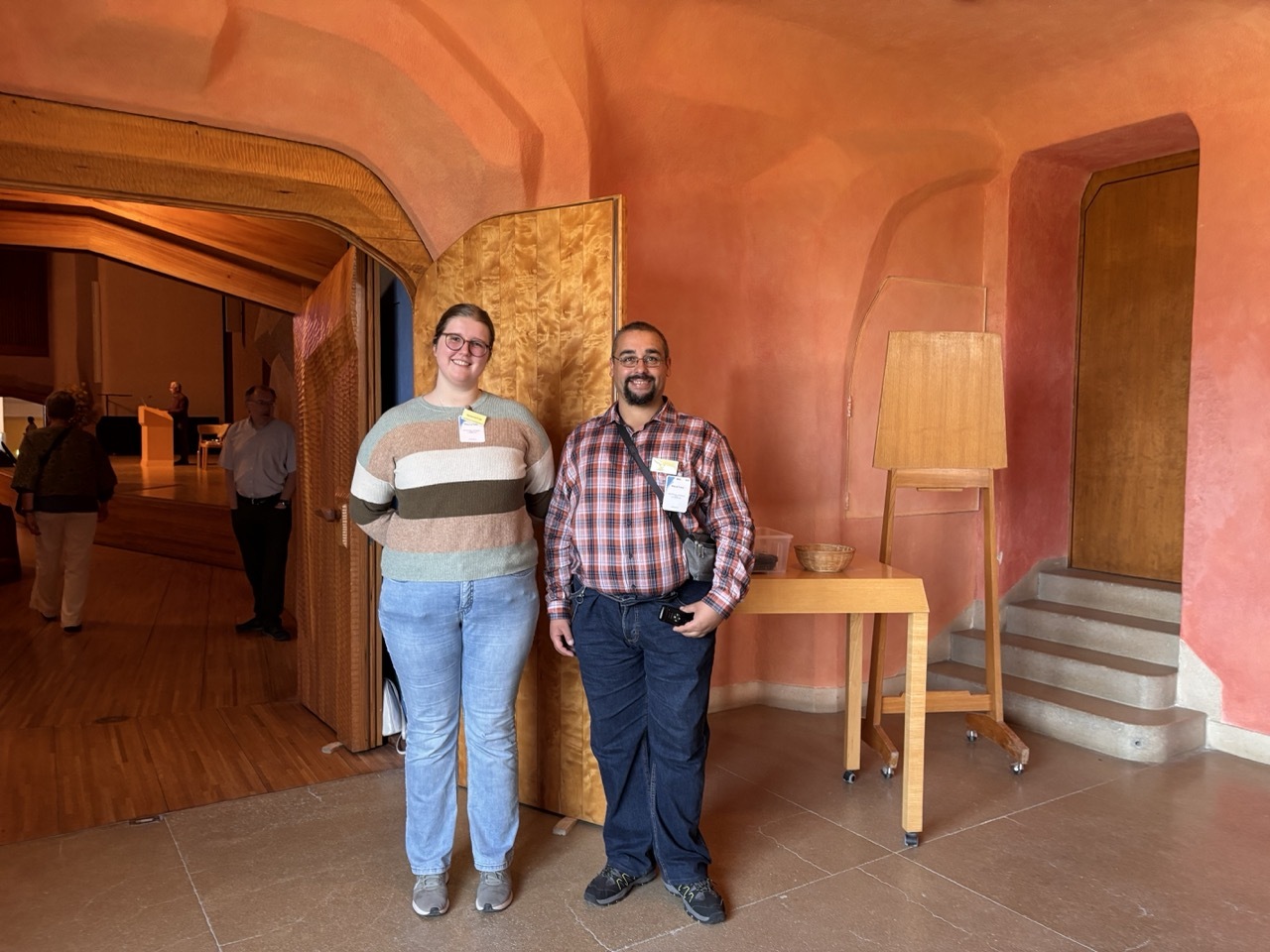
Five days of lectures, artistic experiences, workshops, and encounters among around 400 people from many countries.Read here about Ulrike Panhorst’s impressions.
Photo: private source
This year’s autumn conference of the Section for Inclusive Social Development of the School of Spiritual Science at the Goetheanum in Dornach was held under the theme “Abundance and Limits – Transitions as Opportunities.” The program offered an abundance of insights – so many, in fact, that choosing which to attend was difficult, and processing the abundance of insights and thoughts takes time. Yet it was precisely the tension between abundance and limitation that ran like a common thread through the days.
Engaging Presentations
Matthias Rang, co-leader of the Natural Science Section, opened the conference with his lecture “From Light to Warmth,” creating a space for reflection. He invited participants to explore how we move from insight to action – from what we see and understand to what comes alive and takes effect between people.
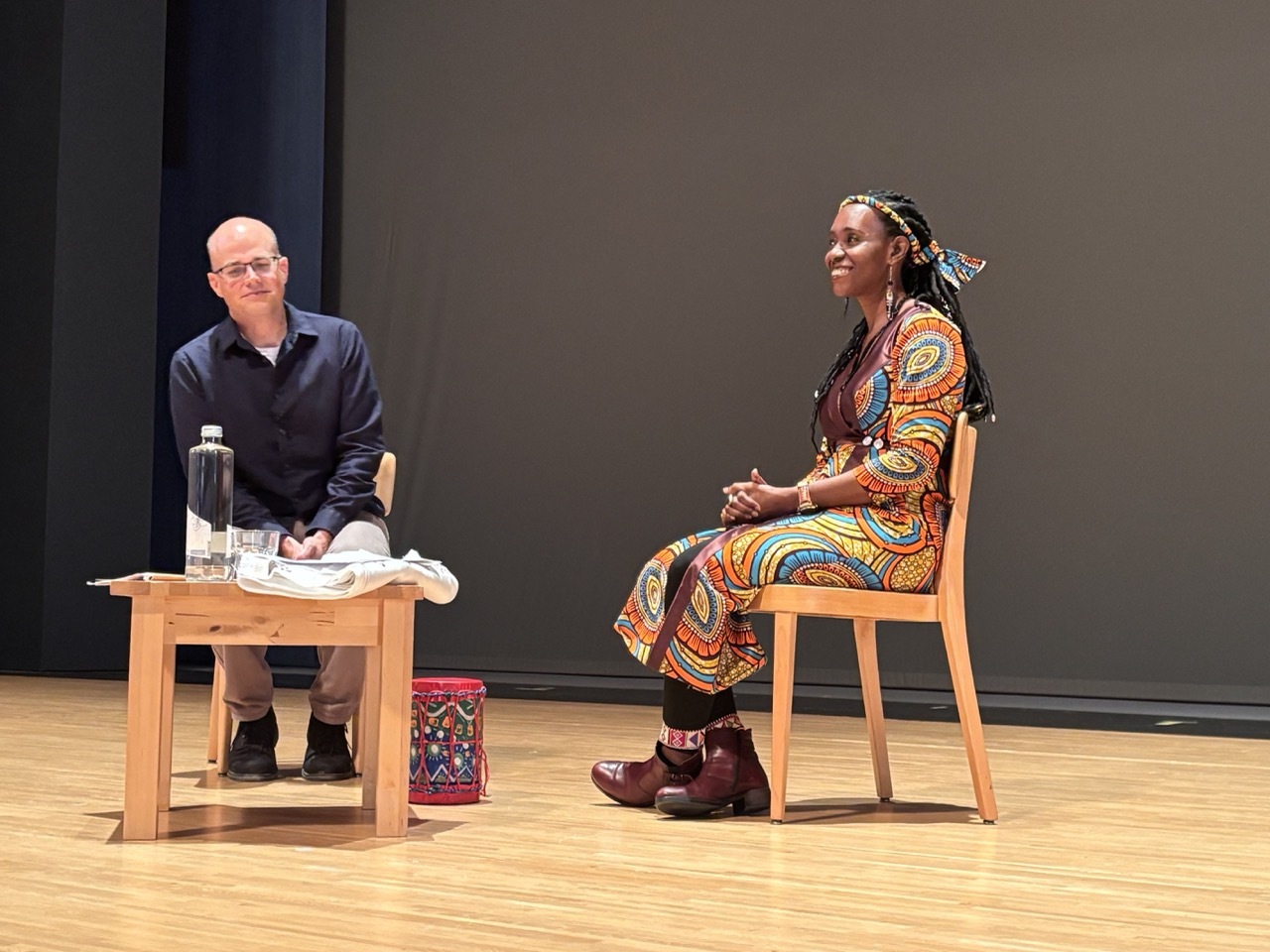
In a conversation between Janet Manoni from Tanzania and the Head of the Section for Inclusive Social Development, Jan Göschel, titled “The Mystery of the Child: Being, Belonging and Becoming,” the focus was on the child’s development and the fundamental conditions of human life. Being, belonging and becoming – three simple phrases that contain profound questions. How do we meet the child as it is, while at the same time creating space for the human being it is becoming? And what significance do community and the relationship to ancestors hold for this development from the perspective of Tanzanian culture?
Rolf Heine, who works with the Medical Section among other roles, addressed another fundamental area of transition in his lecture “Aging and Dying as a Sunrise”. The poetic title opened up the possibility of viewing old age and death from a perspective different from the one we encounter in a society where activity, productivity, and independence are valued above all else. Even the final phase of life holds opportunities for growth and for human connection and exchange.
Rolf opened his lecture with words from Rumi: “There are hundreds of ways to kiss the earth.” We may feel old because we are categorized as 'the elderly' or because we feel out of step with the world around us. Can a person transform their life processes on a spiritual level? As far as the physical body is concerned, the process of decline begins after the age of 27. The soul, however, can take a different path and mature into a dignified old age. Rolf emphasized that dying is in fact a life process – a new beginning, a threshold event.
At the end of his lecture, he performed an incredibly beautiful 'washing' ritual on stage. It created an almost sacred moment in which silence reigned and the entire hall was completely attentive.
Tim Jackson, a scholar and advisor to the British government who has published several books on this subject (Prosperity Without Growth, Post Growth, Care Economy), broadened the perspective to include global economic issues: What does an economy look like that serves both people and the planet equally? He argues that the economy CAN be lived as care! Tim conveyed his insights on care and the economy in a truly captivating way. Drawing on imagery from Greek mythology and Goethe’s "Faust", as well as many unconventional approaches, he spoke of CARE as attention, as a healing force, as an investment, as something essential to life, and as freedom.
Joan Sleigh from South Africa brought many of these questions together in her lecture Transitions from Limitation to Abundance – Taking Crises as Opportunities”. Limits are part of both human life and the reality of communities. They can be painful, but they can also show us where we need to find new paths. Through her reflections, she shed light on the unsettling unease that threshold events bring with them, and on the fact that this is a necessary step on the path to change – perhaps even to transformation. Maybe it is not always about removing limitations, but about learning to relate to them differently.
Inspiring Art
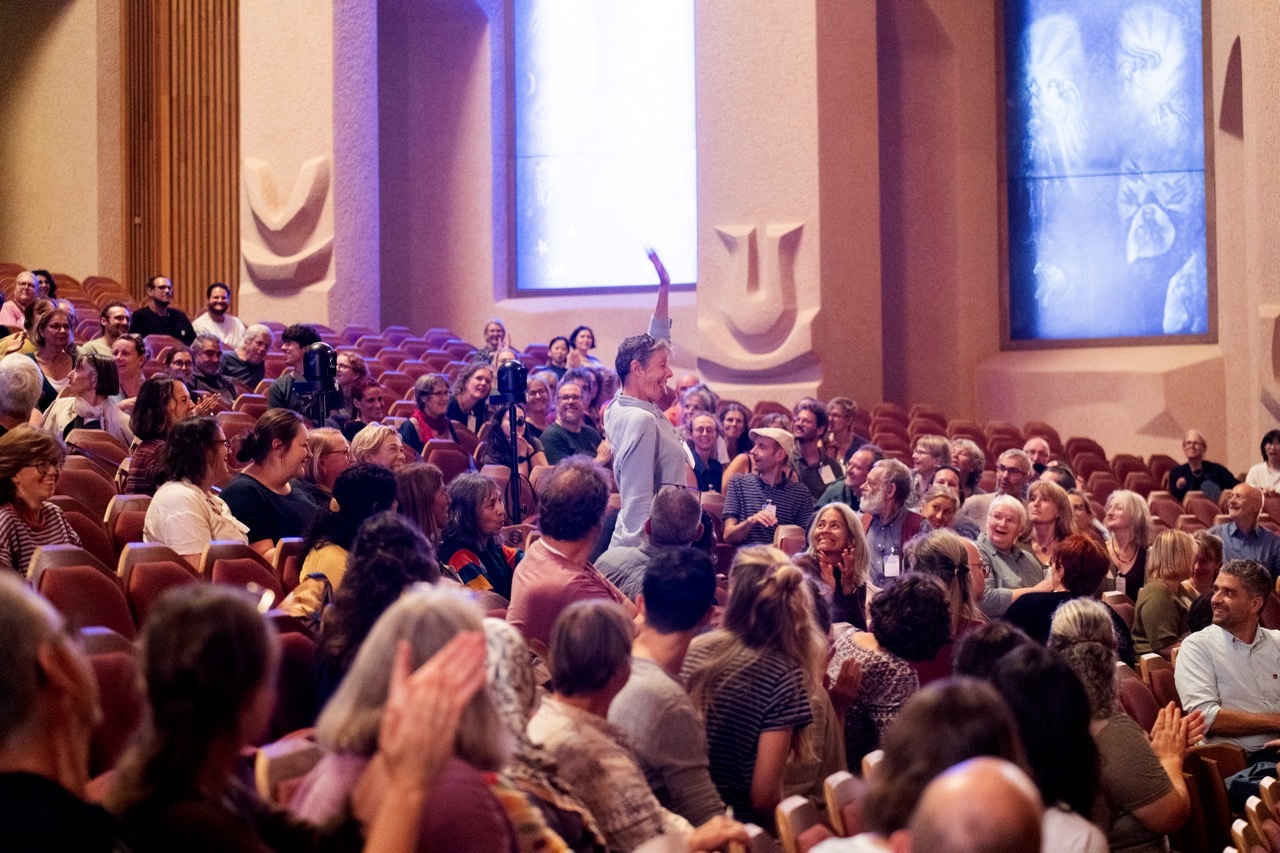
The artistic program gave the days their own rhythm and a special quality. Annemiek van der Ven opened each morning with joint singing. The voices that filled the Main Hall of the Goetheanum made it possible to experience firsthand what it means to be part of something greater without losing one’s own voice.
The Goetheanum Eurythmy Ensemble presented a varied and challenging program. Krzysztof Penderecki’s Prelude for solo clarinet was particularly fascinating. The complexity of the music became visible as four eurythmists brought the work to life on stage. What might at first have seemed like a limitation – that the music was so demanding to interpret through movement – became the starting point for a lively and fascinating dialogue.
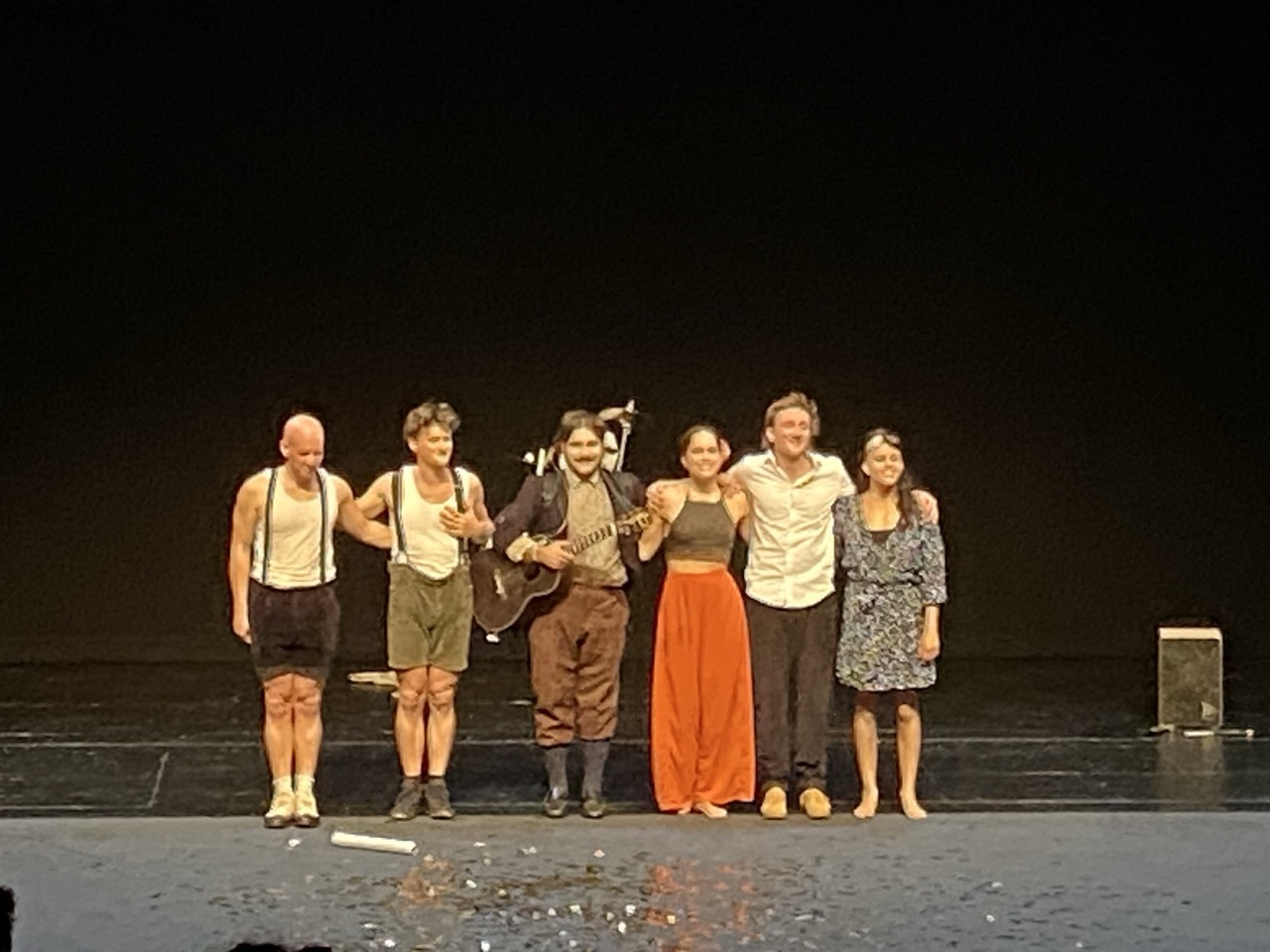
And then there was 'Le Théâtre Circulaire' with their performance "All-in-One", featuring five performers: incredibly beautiful and incredibly funny! Laughter and wonder moved the audience to the very core.
An Abundance of Possibilities – and the Need to Choose
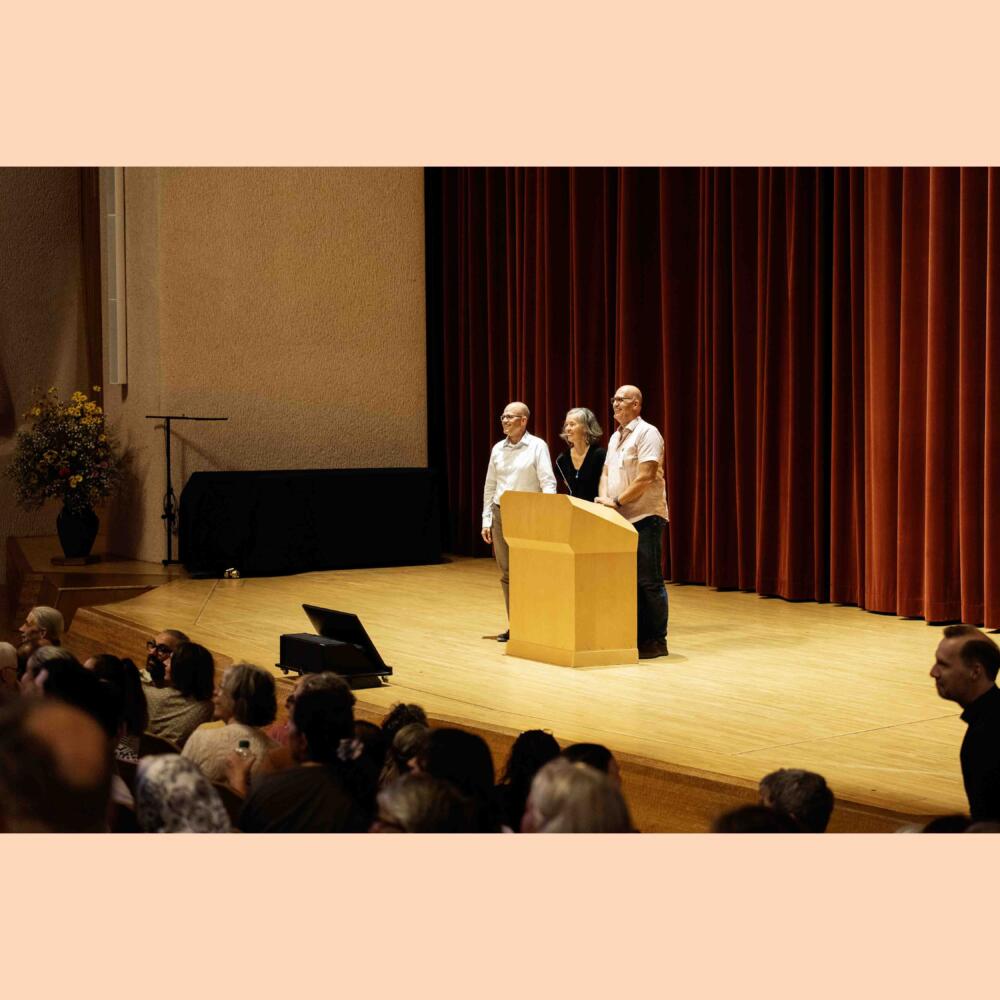
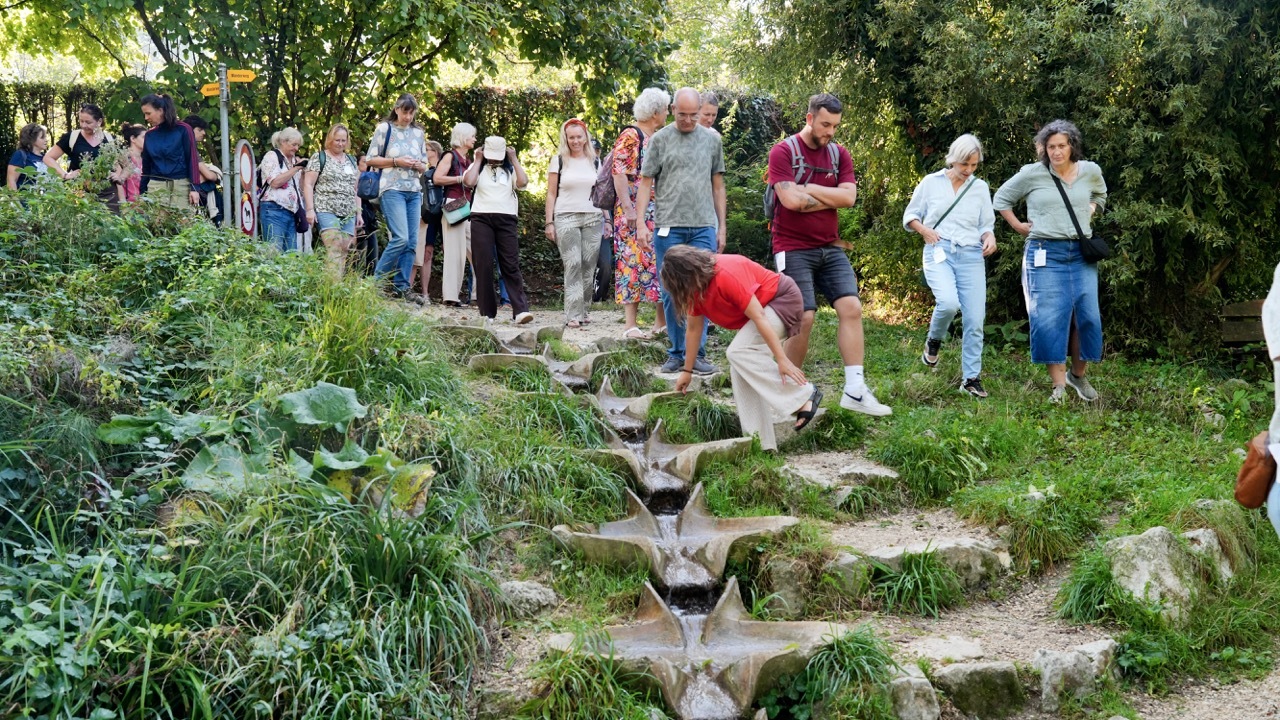
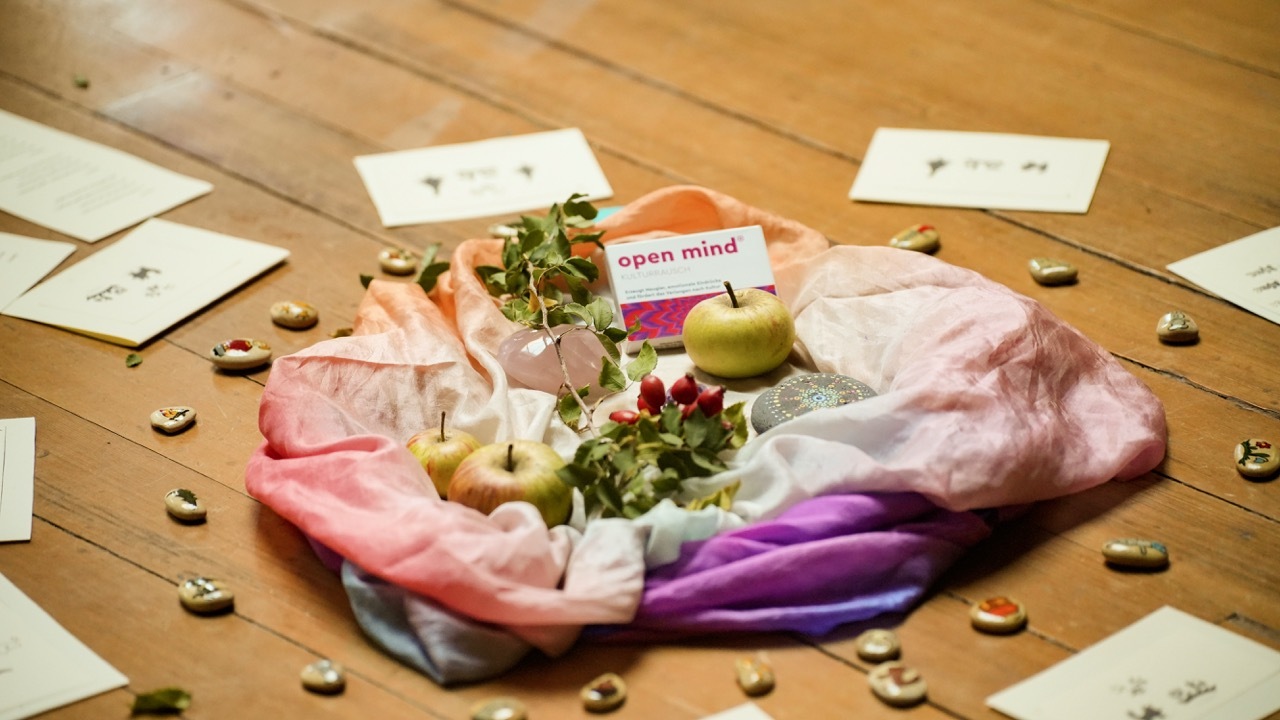
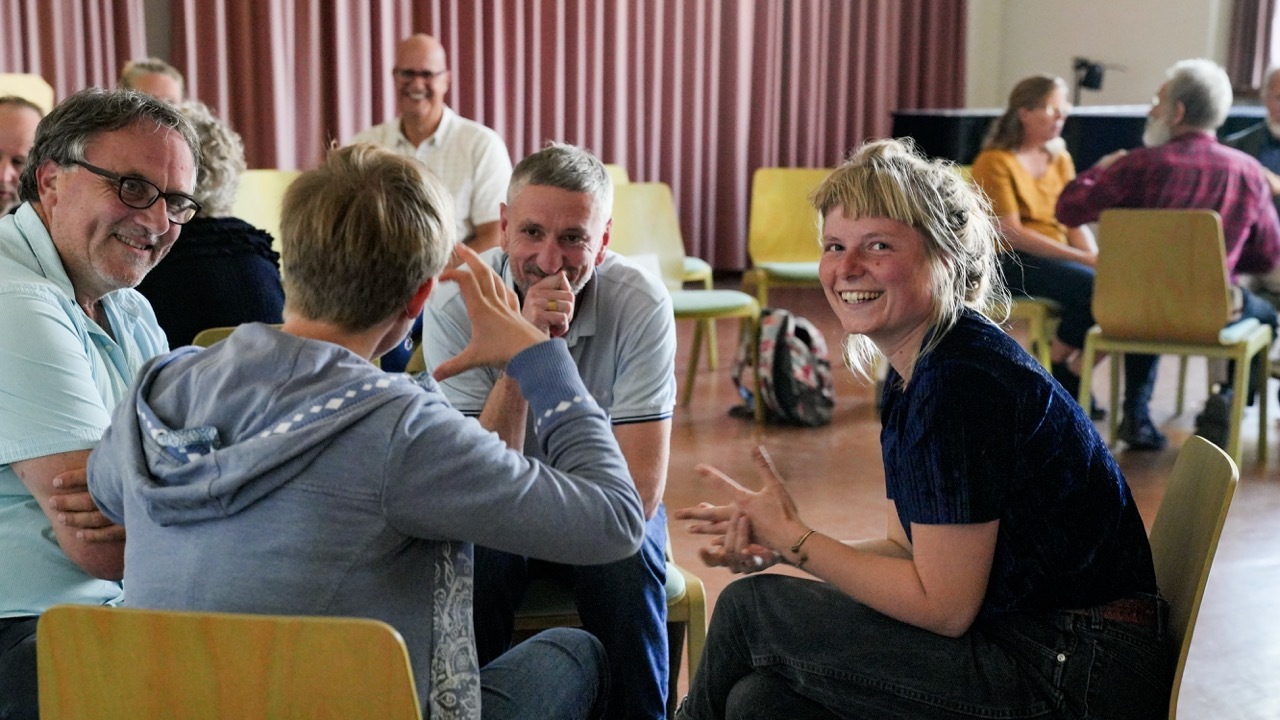
The conference was marked by abundance. Sonja Zausch, member of the Section’s leadership team and the person primarily responsible for organizing and coordinating the autumn conferences, moderated the event with humor and clarity, skillfully navigating all unexpected moments. The mornings were devoted to lectures and working groups on various topics. During the lunch breaks, participants could take part in the “Open Spaces,” where questions and initiatives could be explored in a more spontaneous manner. In one of these Open Spaces, Bart Vanmechelen, member of the Section’s leadership team, proposed the idea of initiating a Esoteric-Professional Circle. This circle will conduct research into the relationship between our field of work and the class sessions. Members of the First Class of the School of Spiritual Science who are active in the field of inclusive social development were warmly invited to become involved in this circle as well.
The afternoons were devoted to forums, which were largely organized by existing working groups within the section. They came together to share their experiences and their work with other interested participants.
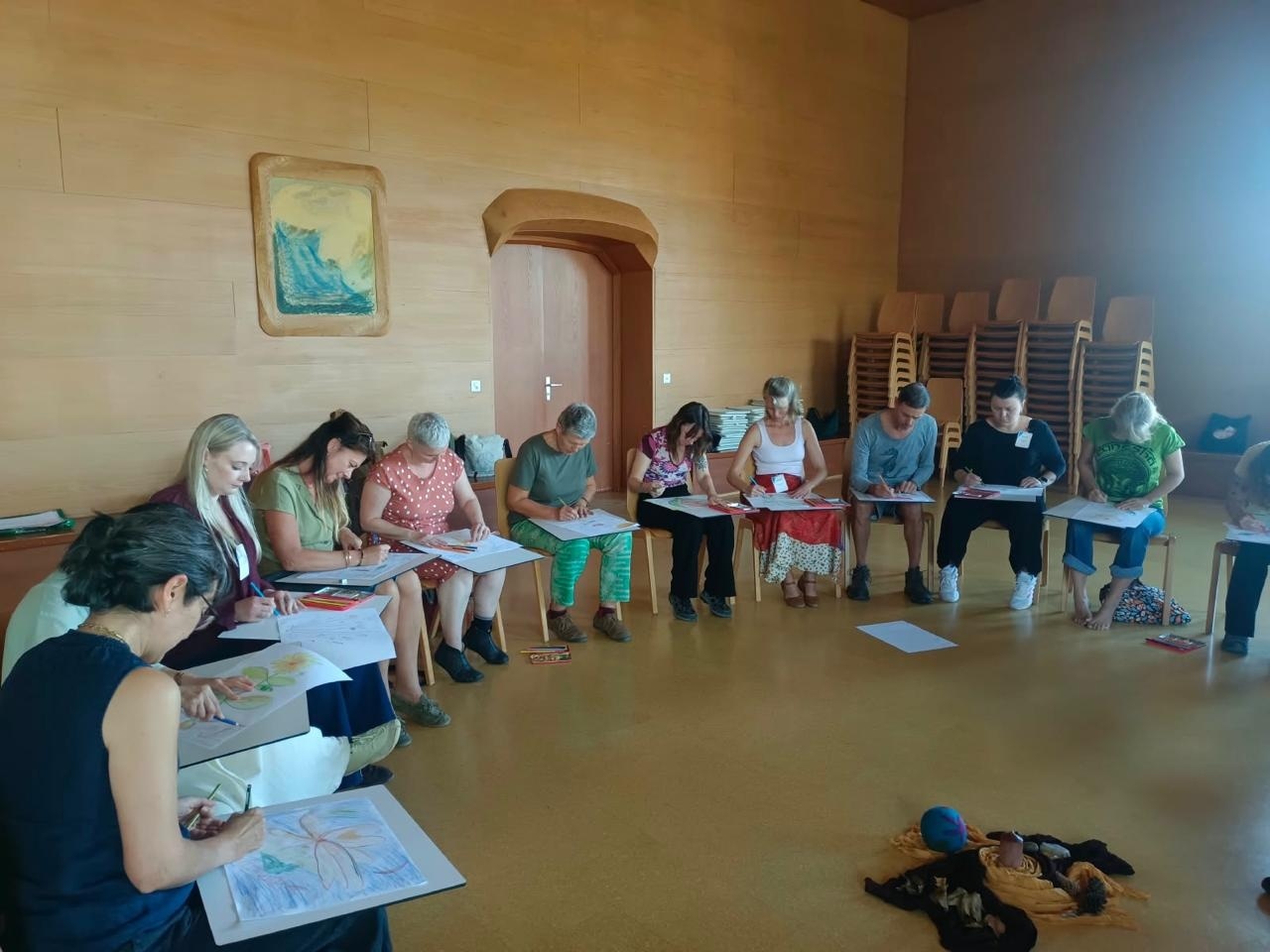
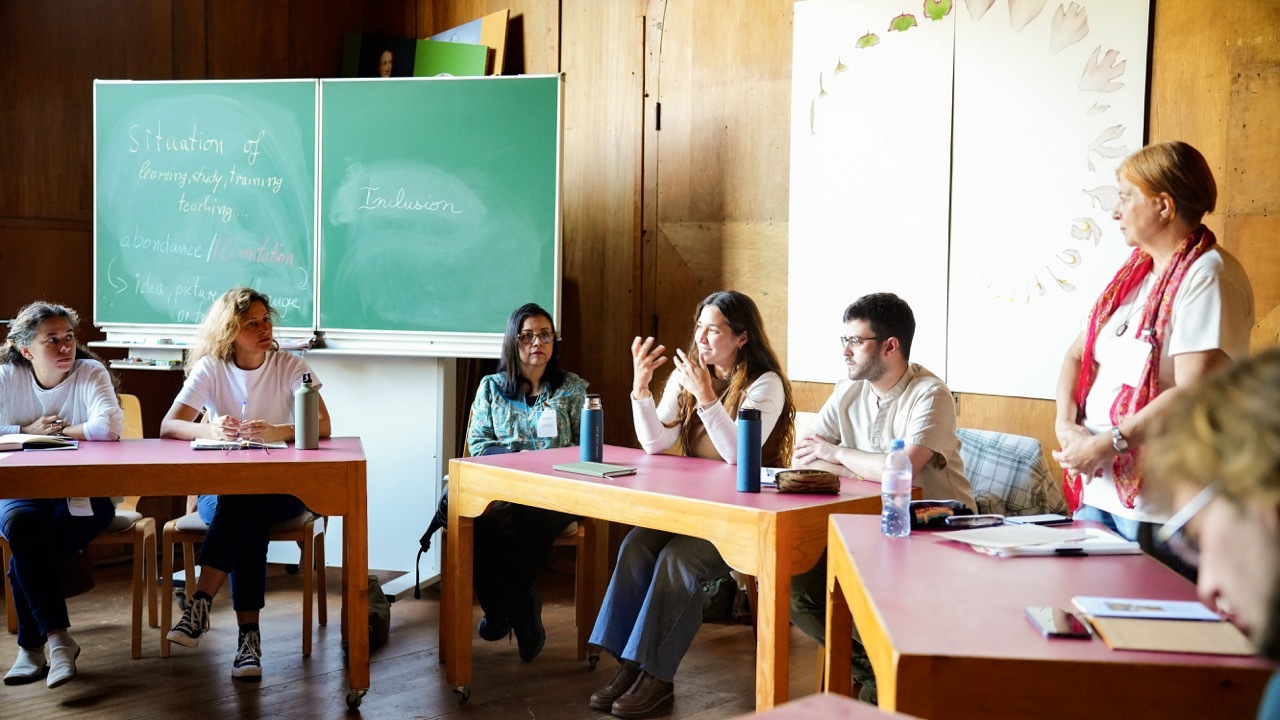
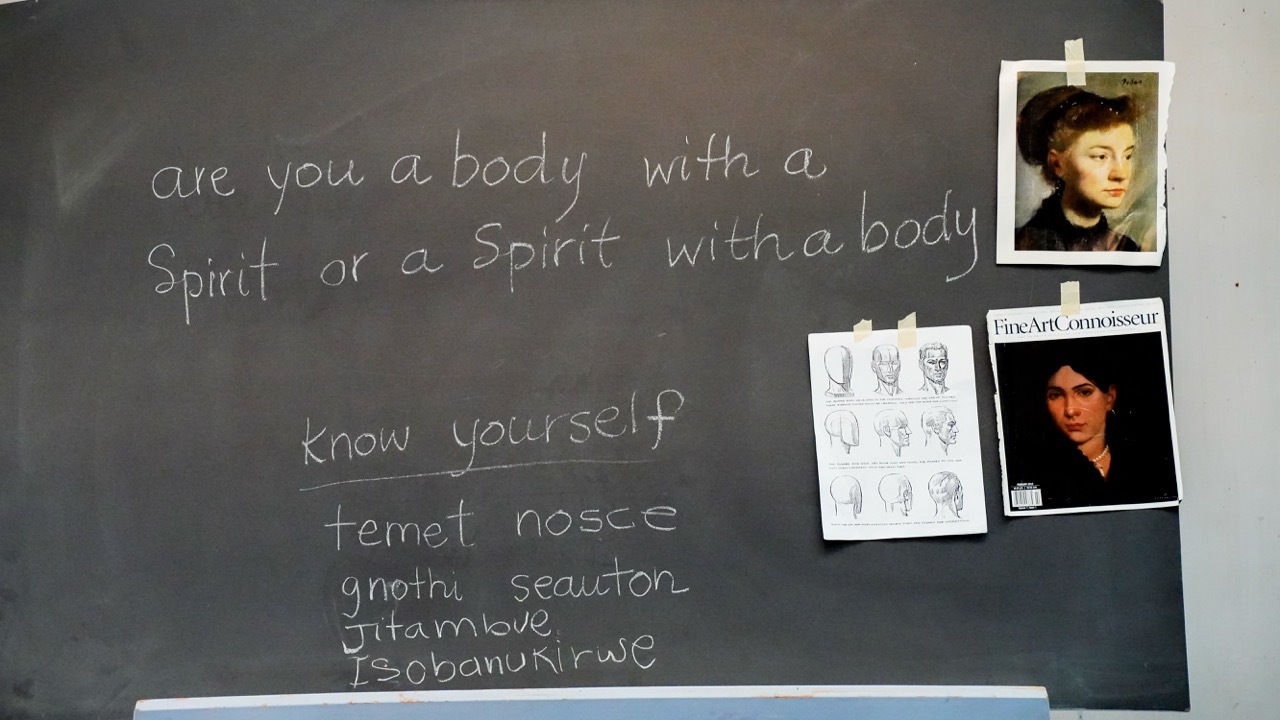
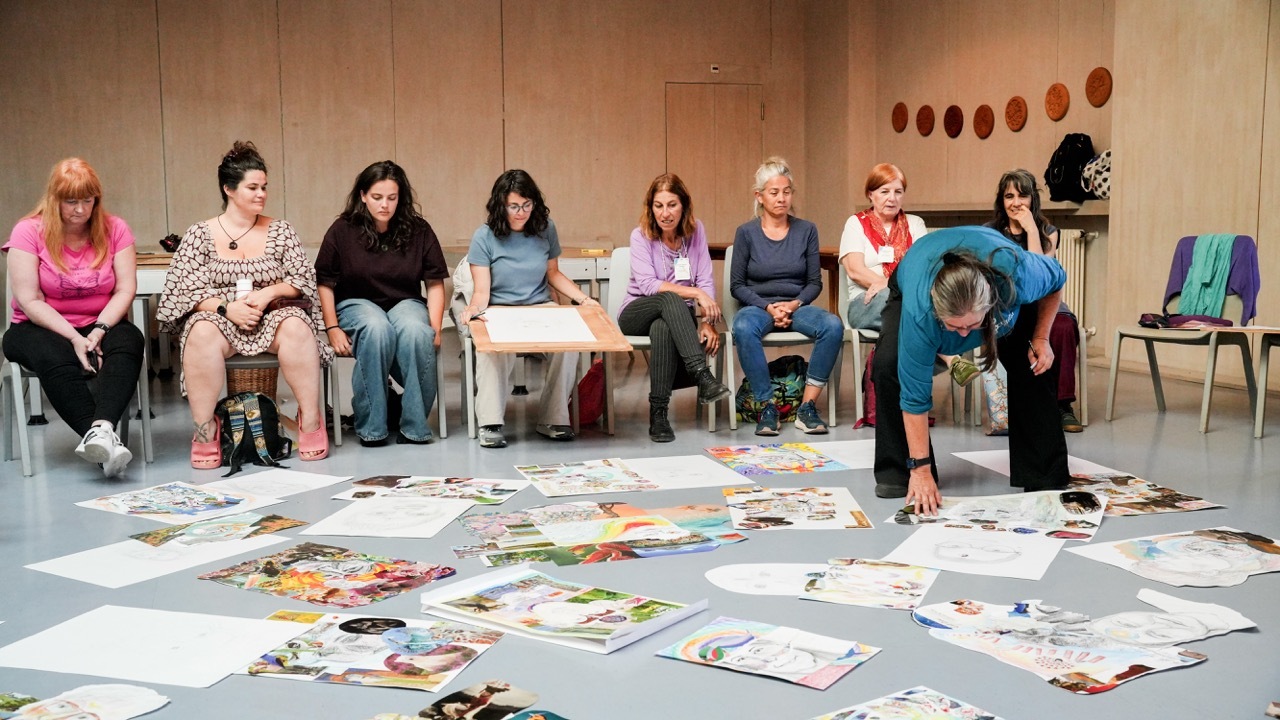
There was much to choose from, many people to meet, and many conversations to continue. I chose the working group on the topic “Inner Qualities: Transition through Art & Movement”. It was led by Roula Bsaibes and Sandra Rouhana, both staff members of Step Together, a community in Lebanon. Despite the challenging situation in their region, Step Together establishes kindergartens, workshops, therapeutic programs, and communities where children, adolescents, and adults with developmental disabilities – along with their caregivers – find support in realizing their potential.
In the afternoon forums, the established working groups – such as “Schools for All,” “Community in Conversation", “Eurythmy for All,” and my own working group, “Spirituality and Religion” – demonstrated a spirit of openness while also highlighting the importance of continuity. New ideas only truly come to life when people take them on board, try them out, and relate them to their practical experiences. An international conference, therefore, is not just five days of inspiration, but is also part of a larger, ongoing effort.
Reflections on the Way Home
For those of us who work and live in Camphill and other inclusive communities, the questions raised at the autumn conference are closely connected to our daily lives. How do we create space for the individual development of children and adults? How do we approach aging and the end of life? How can we put into practice the realization that caring for people and our planet is the only sustainable foundation for the future? And how can we turn the limitations we encounter into a starting point for discovering new possibilities?
It’s not certain that we’ll return home with clear answers. Perhaps it’s more important to return with new questions, some fruitful encounters, and insights that can continue to have an impact.
For there is an interplay between abundance and limits. The balance between the two must be rediscovered again and again – by every person and every community. It emerges in the encounter between what we want, what is possible for us, and what we can create together, step by step.
Ulrike Panhorst,
Member of the Camphill Movement Group, living in Camphill Vidaråsen Landsby, Norway
Photos: Xue Li
Photos: private source