First Conference in Mexico City and “GITA” Training Sessions in Cuernavaca
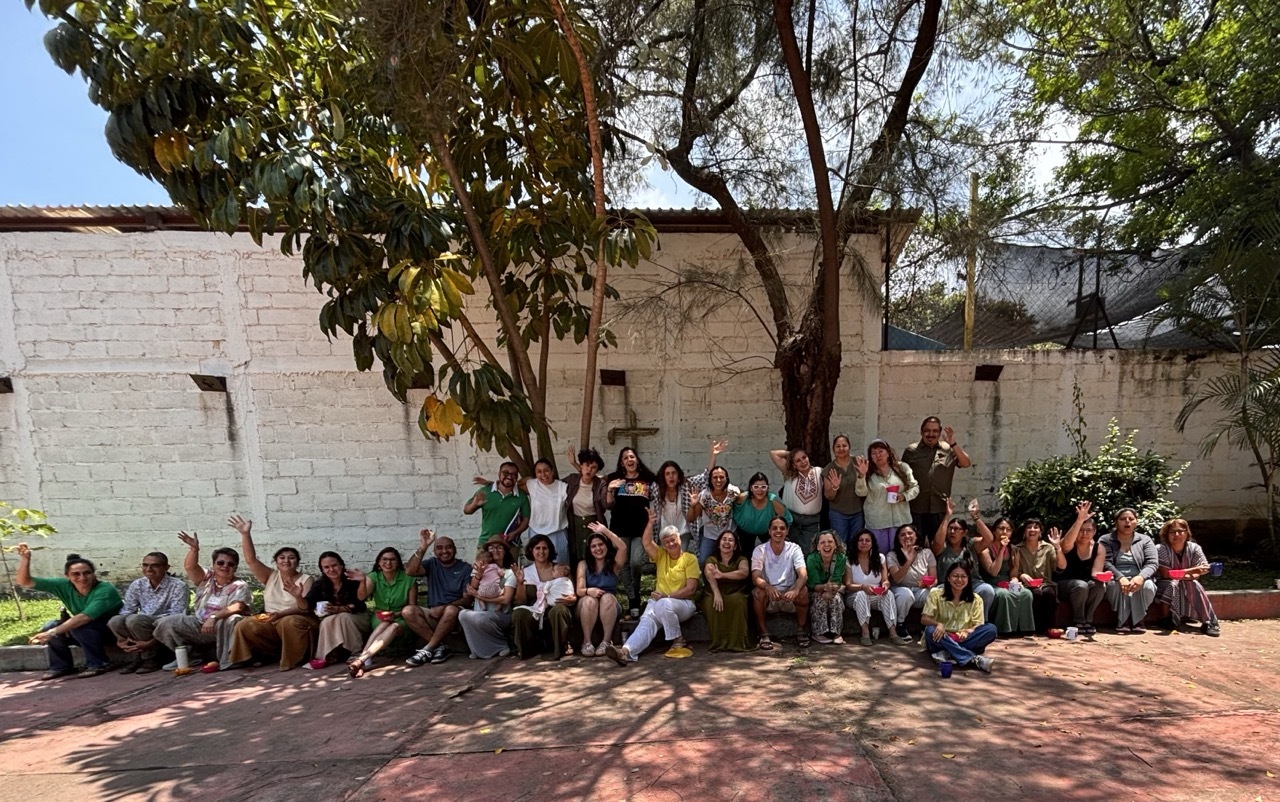
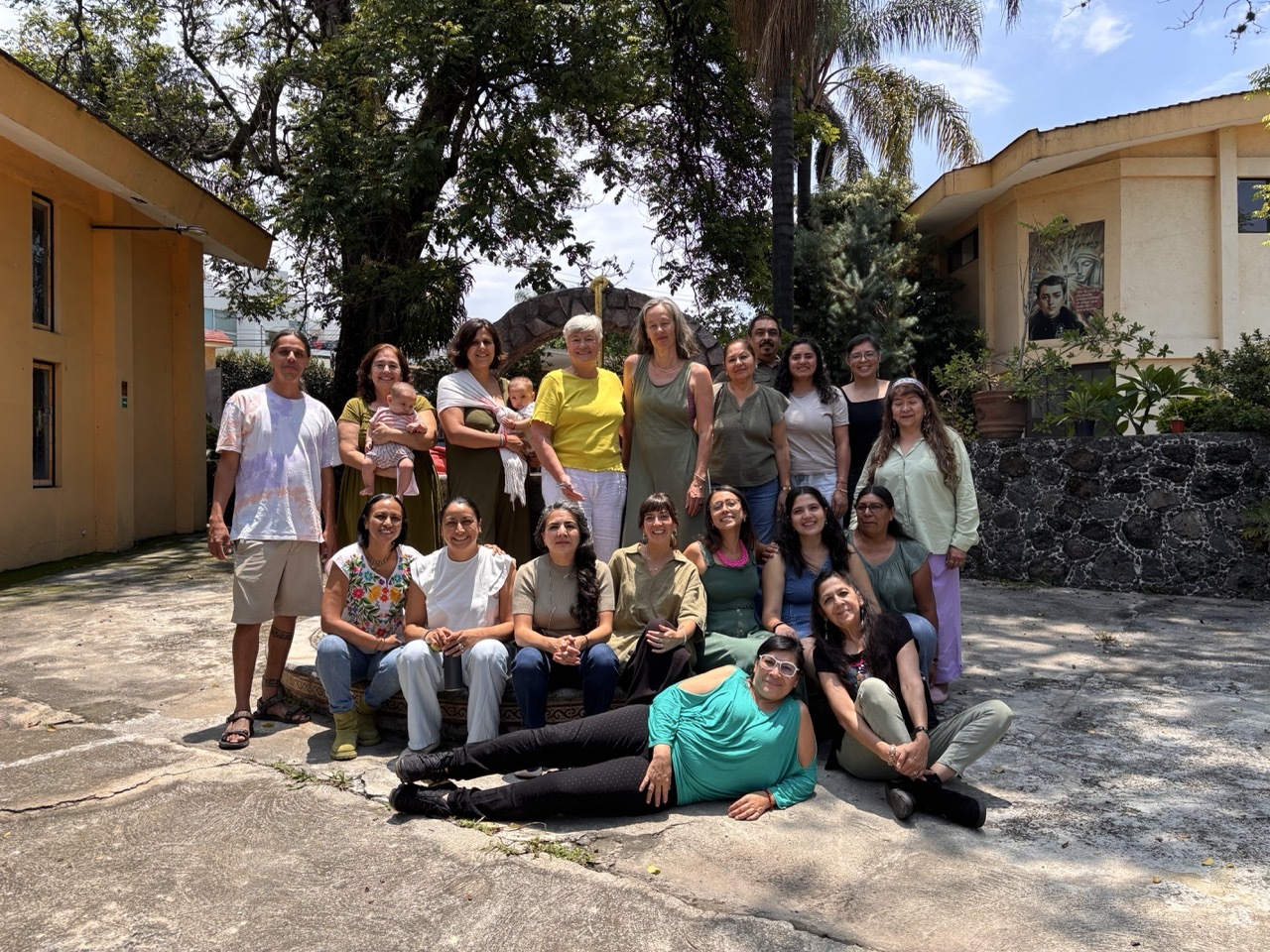
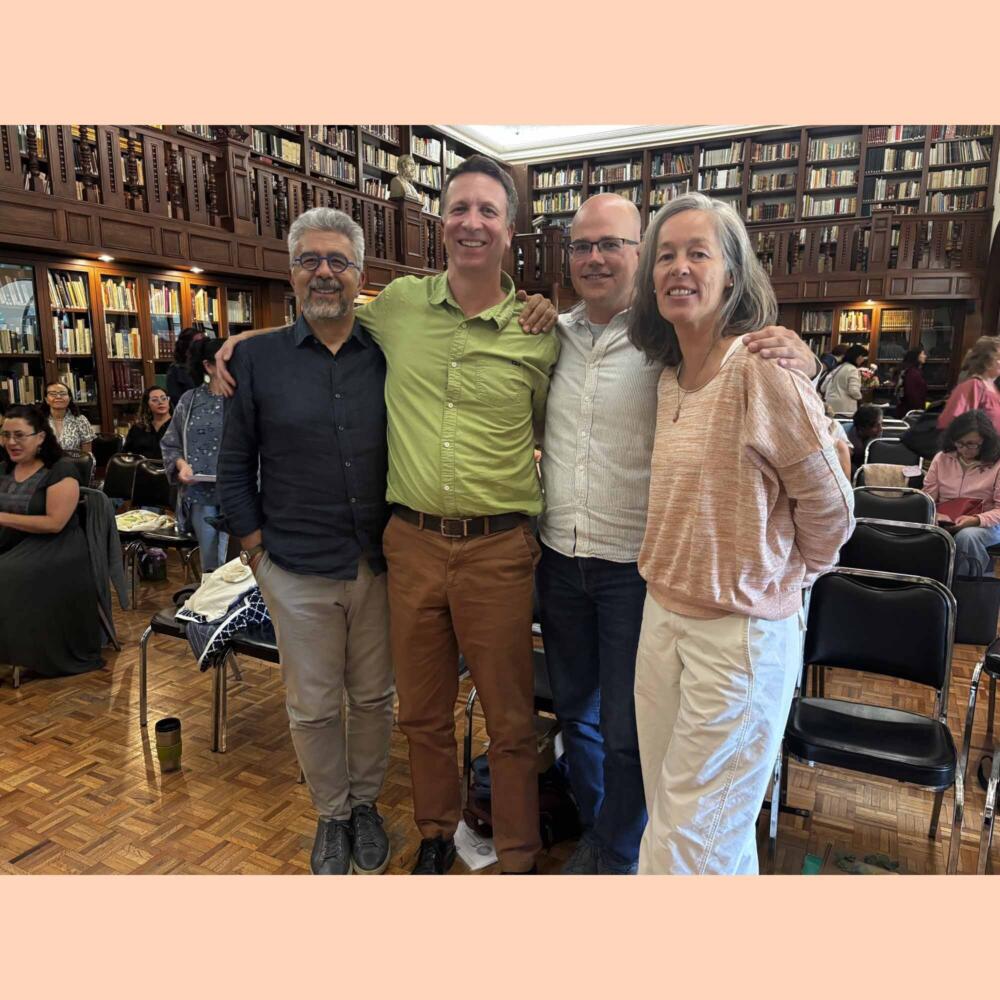
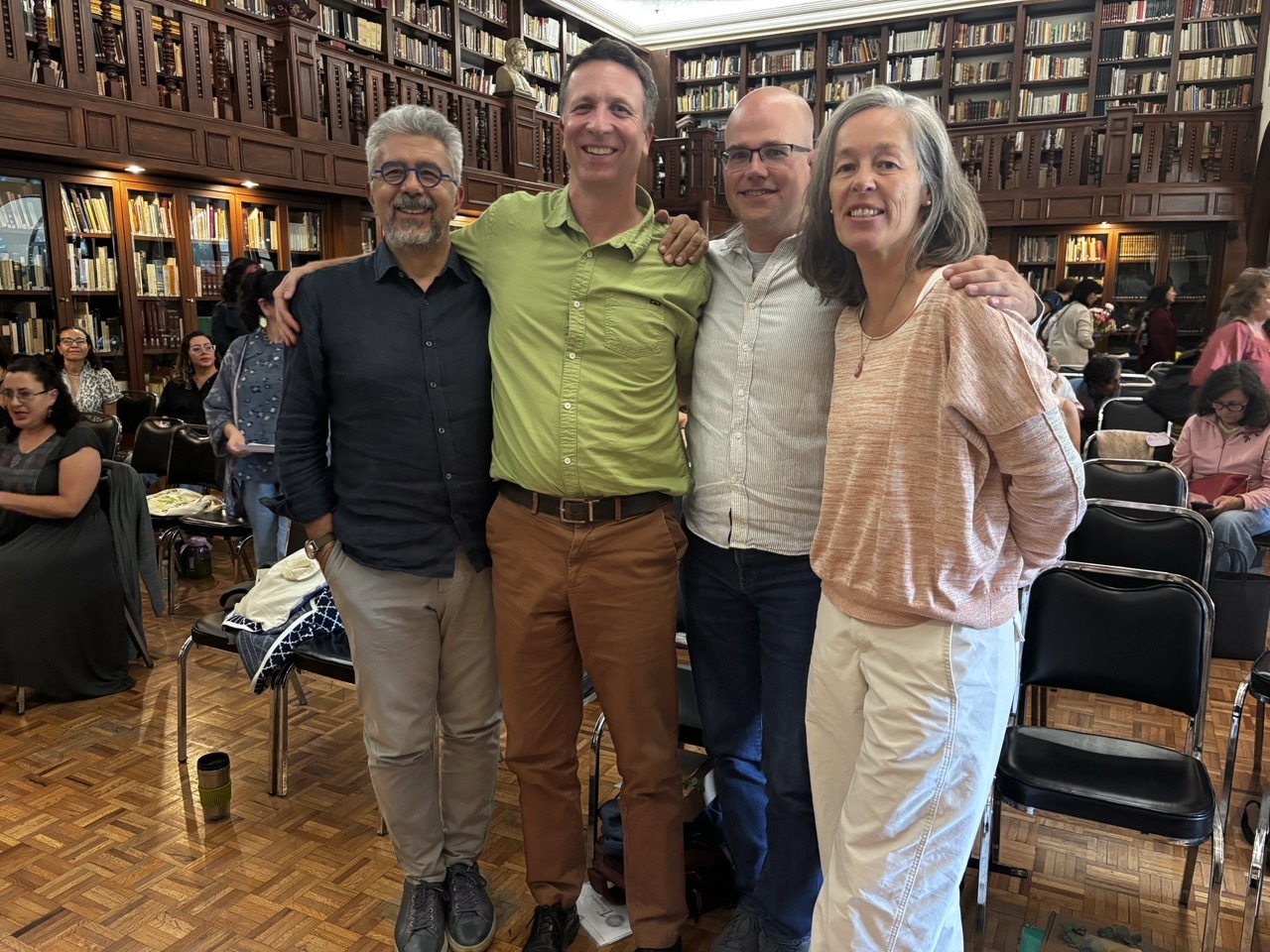
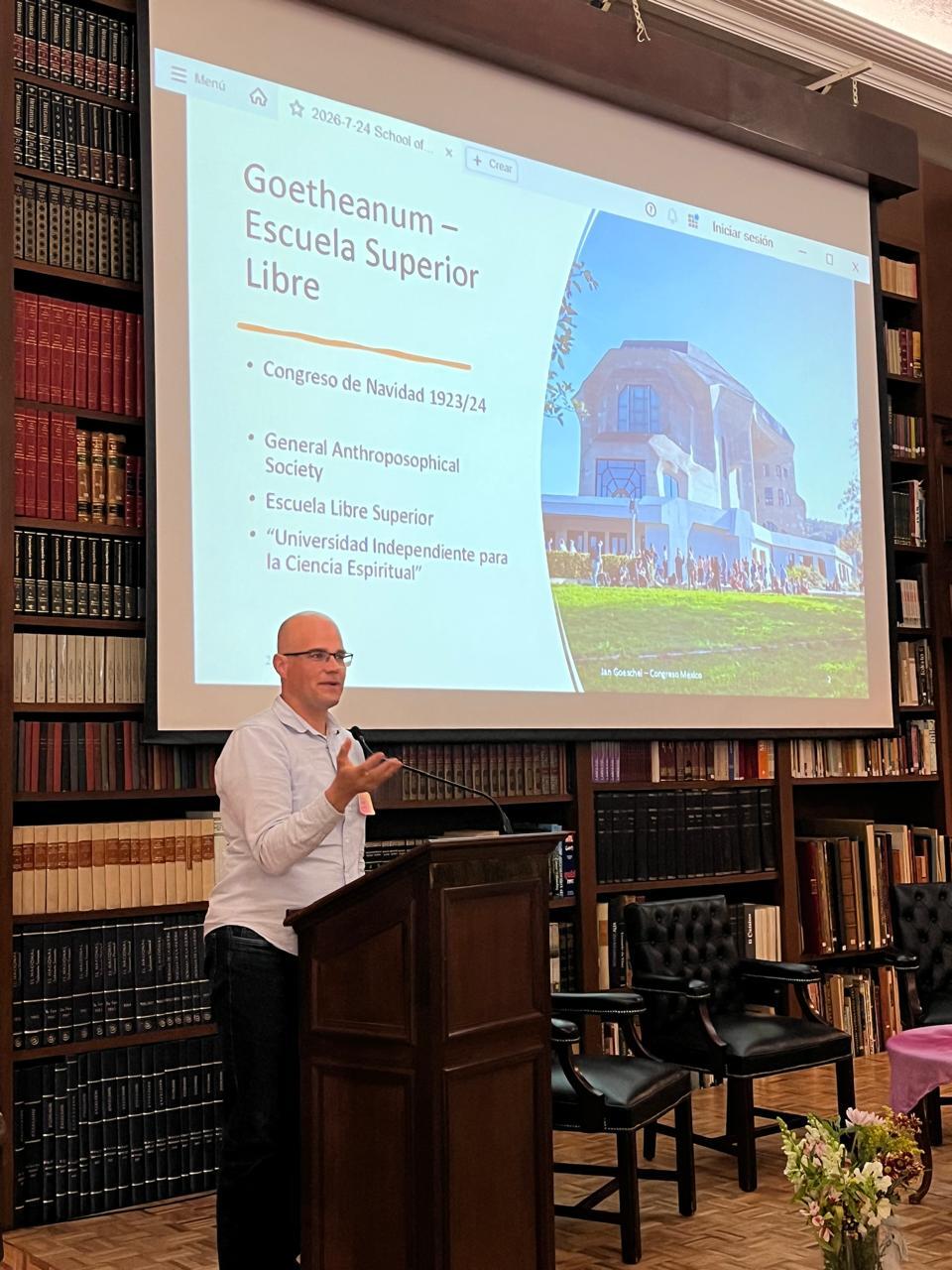
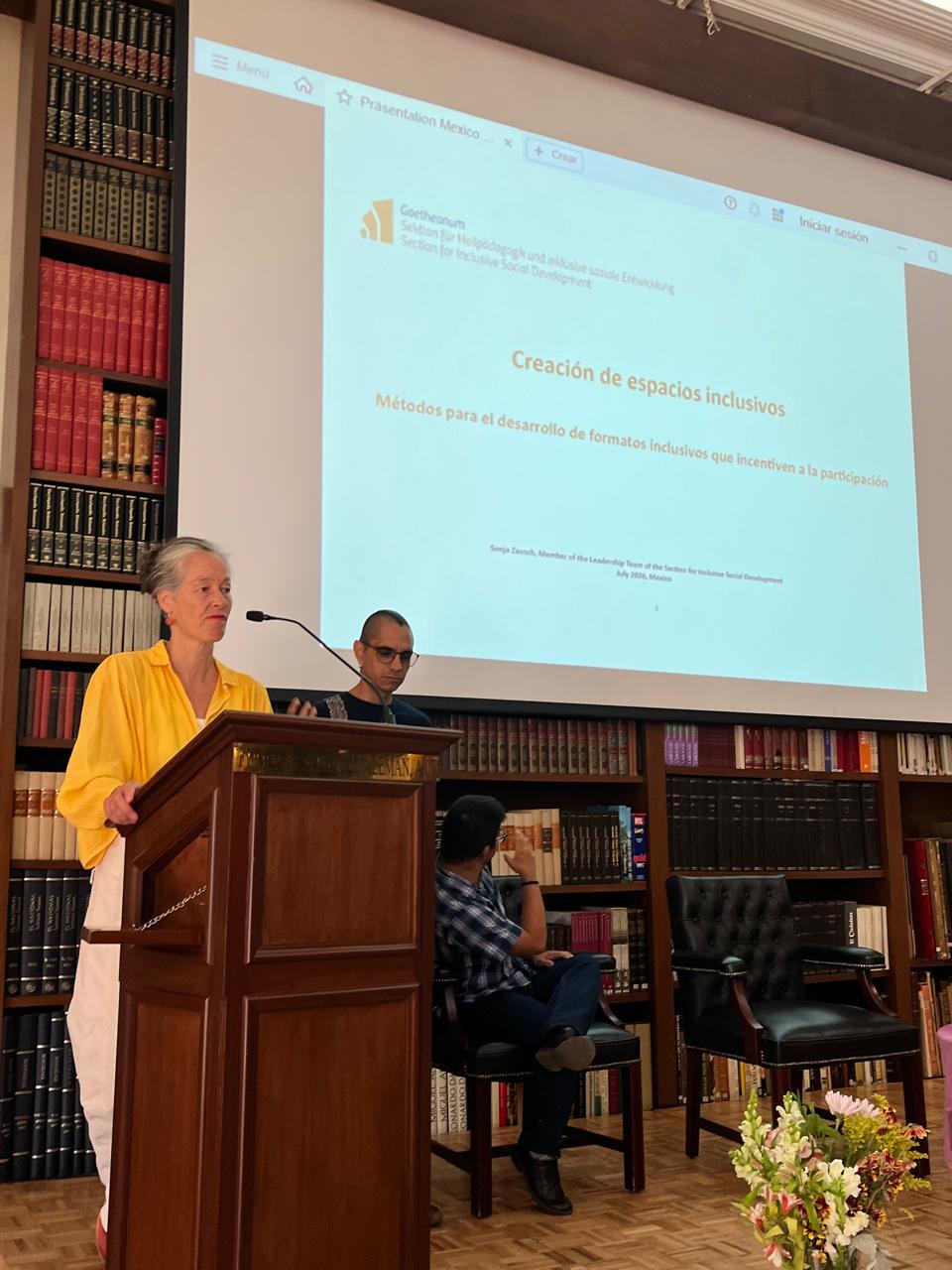
In July 2026, the first national conference on inclusive social development took place in Mexico City. It was jointly organized by the teams from the two training programs, “Kaspar Hauser” and “GITA.” Jan Göschel and Sonja Zausch were invited to speak at the conference.
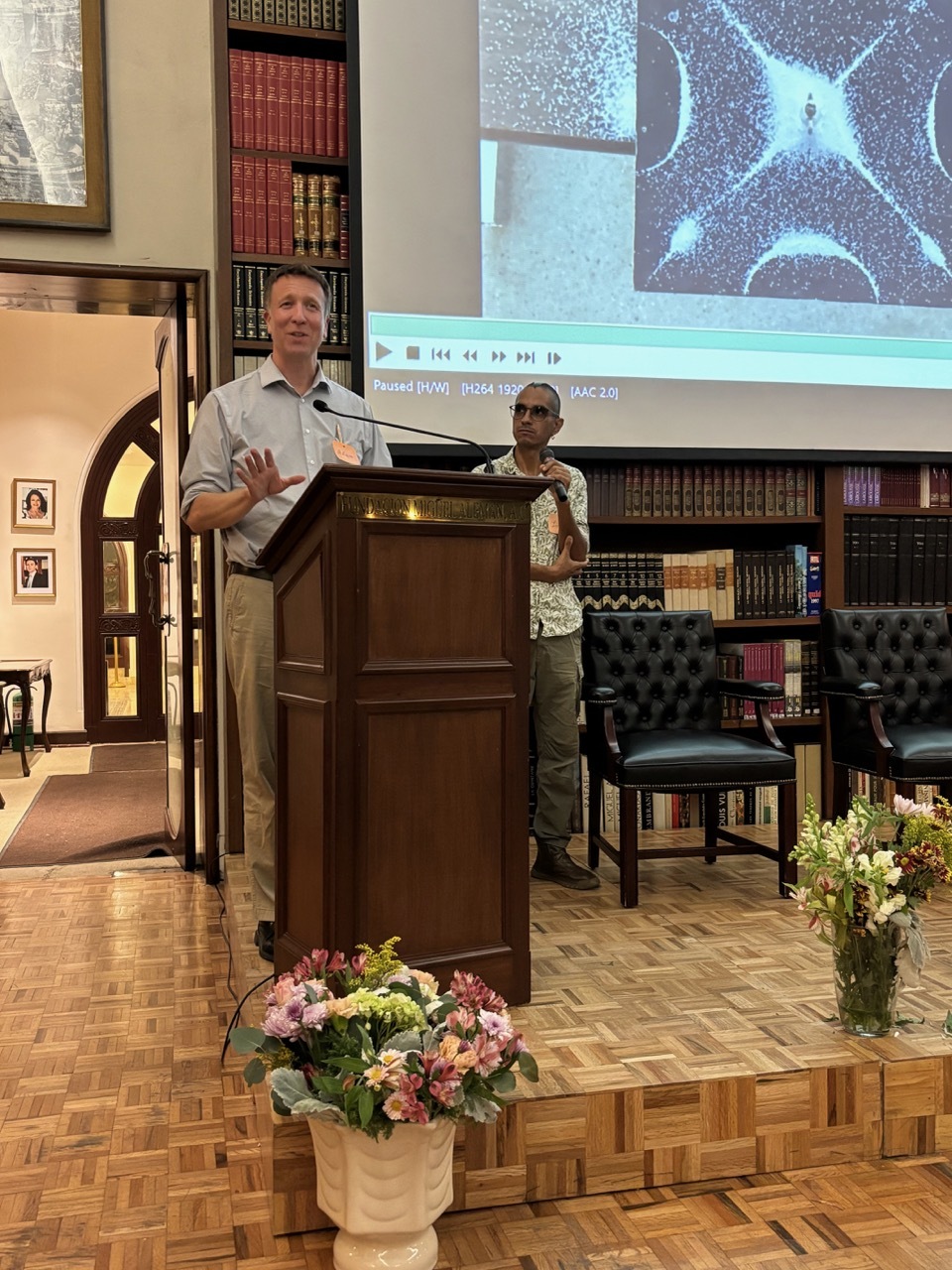
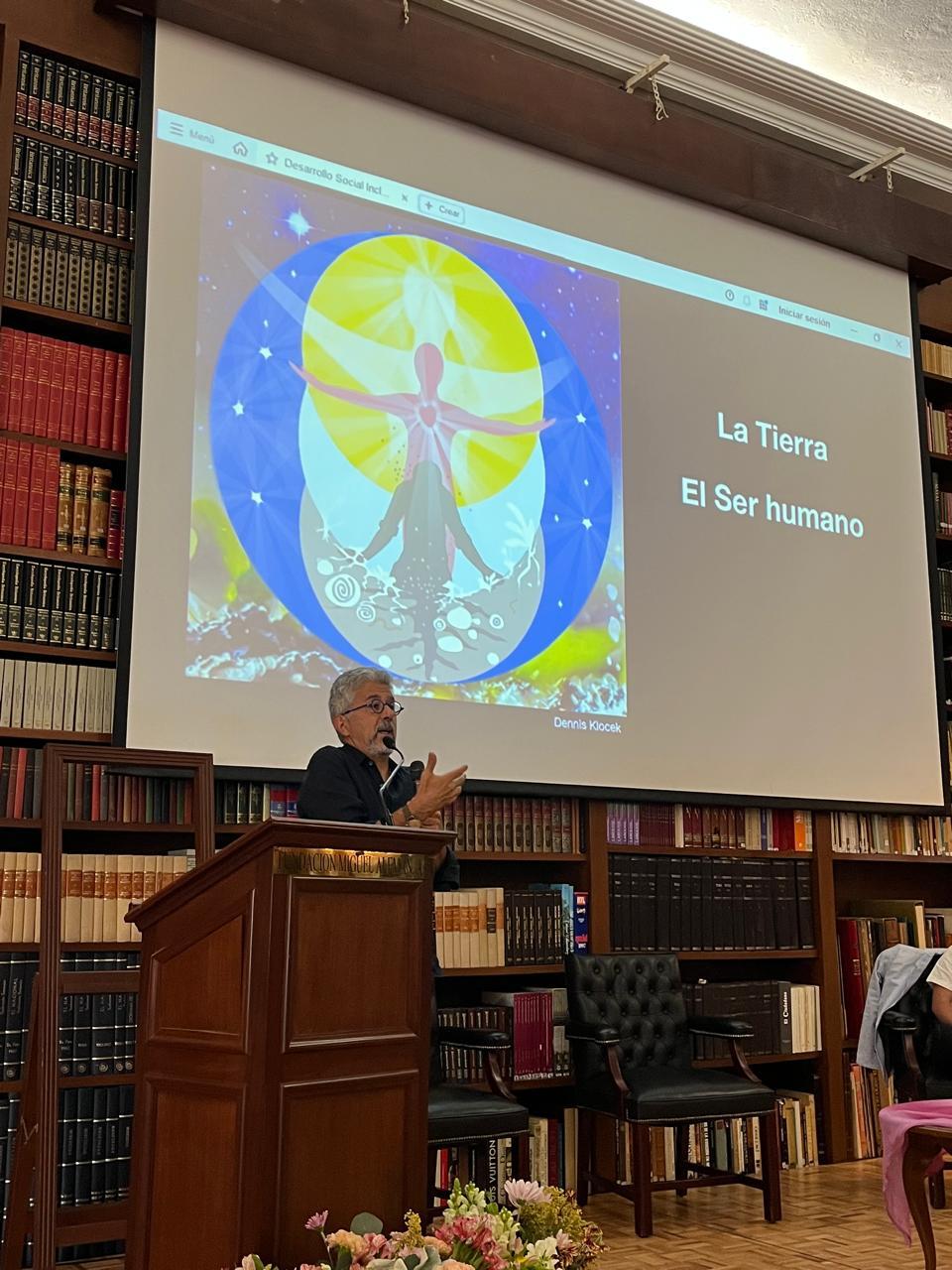
Photos: private source
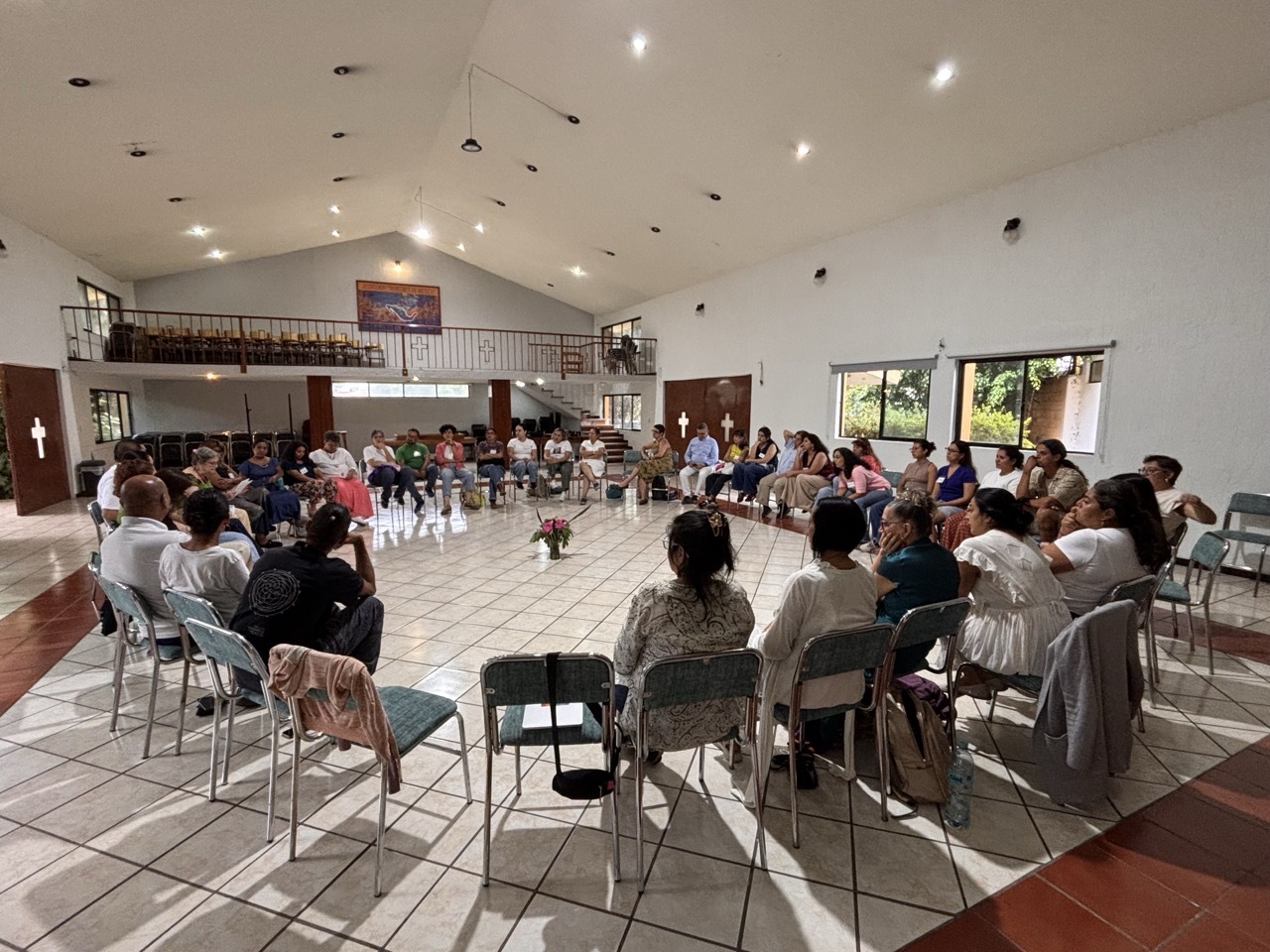
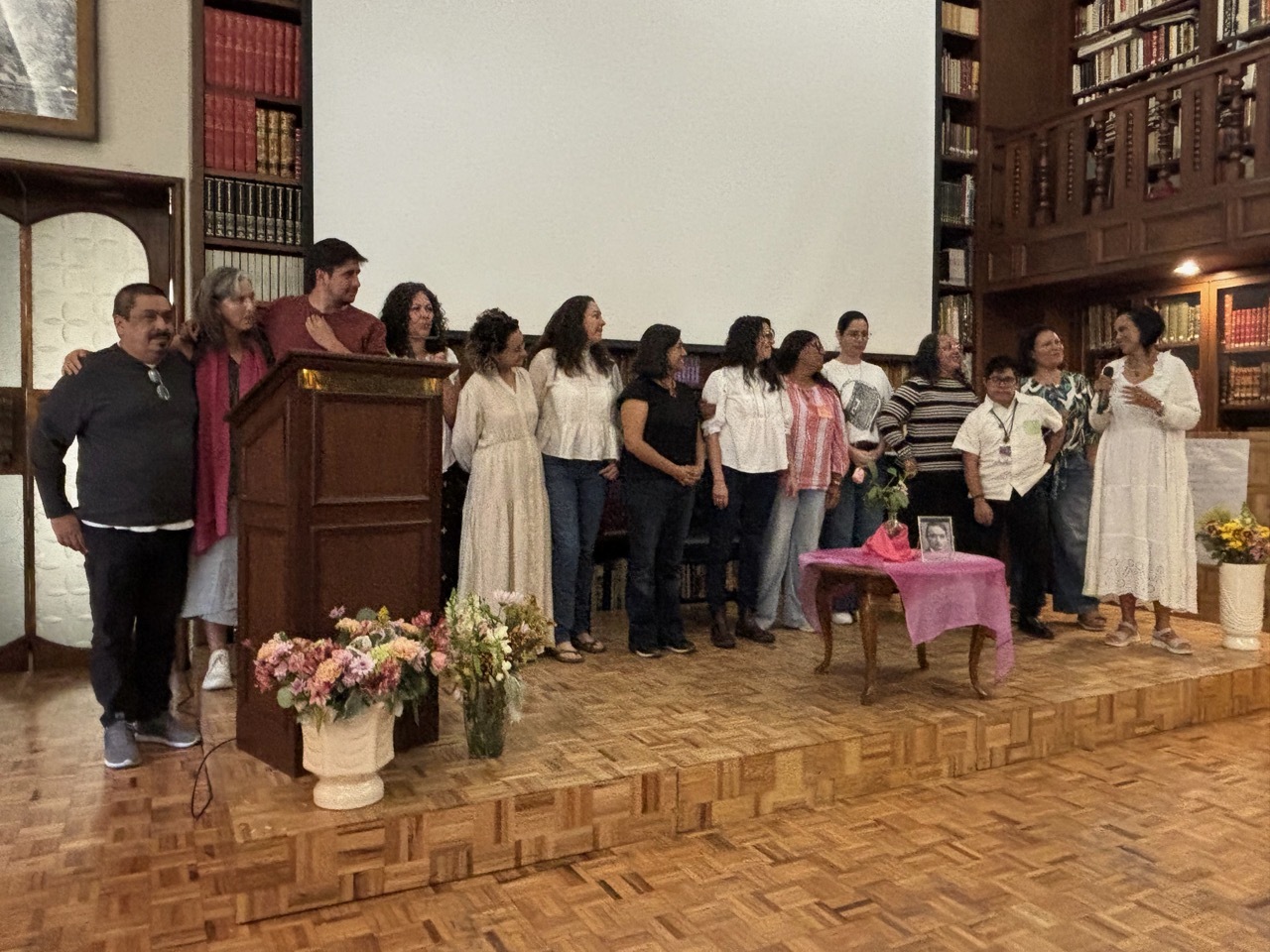
Among the participants were many graduates and current students of the two educational programs, as well as other interested individuals with a connection to the field.
GITA – Centro Antroposófico de México has been in existence since 2001 as a center for Waldorf teacher training and has been offering continuing education in therapeutic education since 2020. The Impulso de Pedagogía Curativa y Terapia Social Kaspar Hauser Mexico was established in 2019 to also offer continuing education in curative education. Both programs are recognized through the peer-review process of the Section’s International Training Circle.
Adam Blanning, co-director of the Medical Section, and Eduardo Rincón, co-director of the Section for Agriculture, were also invited as speakers, thus ensuring that the School of Spiritual Science at the Goetheanum was represented in an interdisciplinary manner.
The diverse group of conference participants explored inclusion and community building, as well as perceptual skills related to human and planetary health. It was also particularly meaningful to hear the needs of colleagues through Fishbowl and World Café formats. New working groups were formed that will actively keep these topics alive within the context of the professional network in Mexico and further develop them.
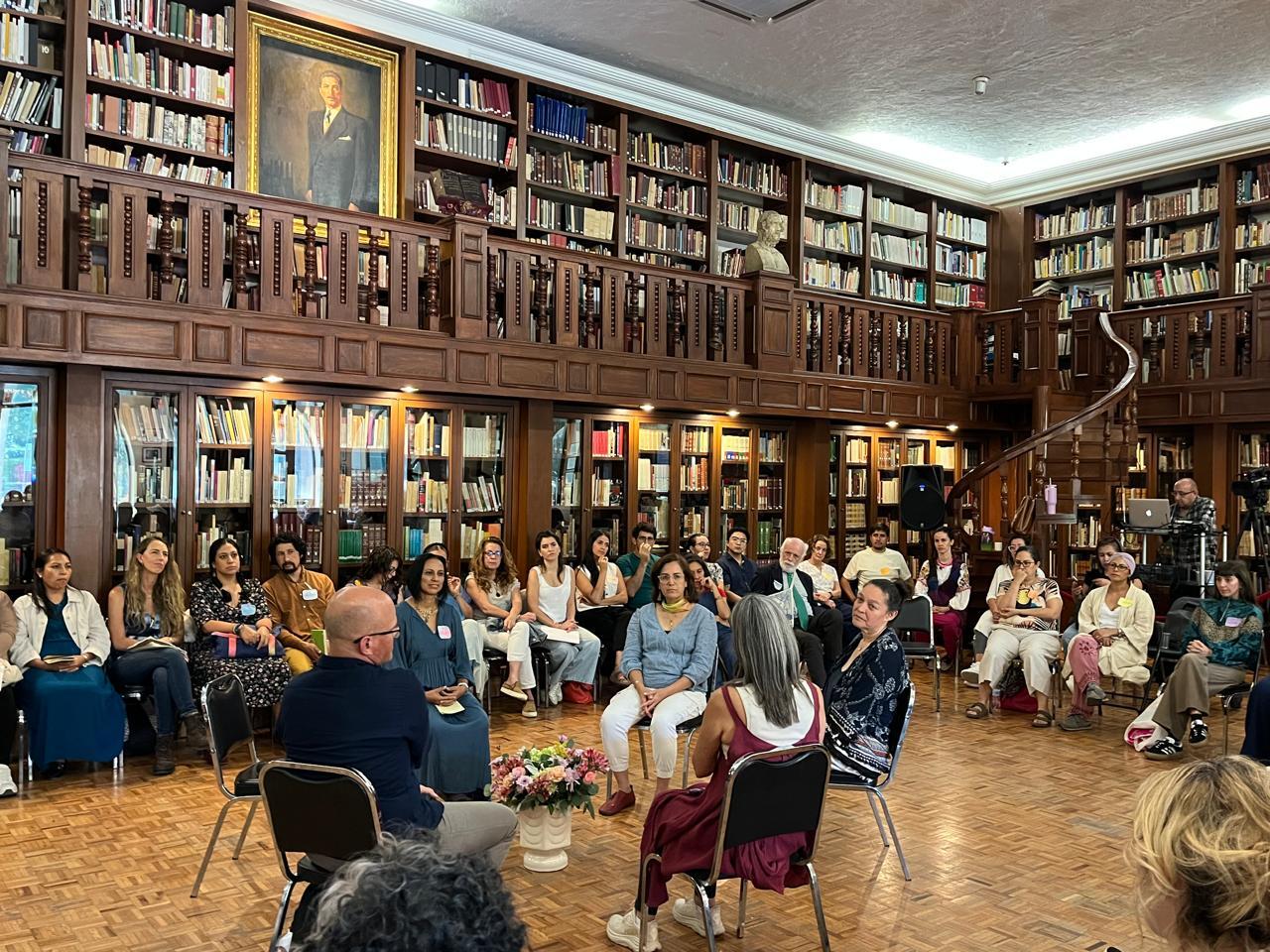
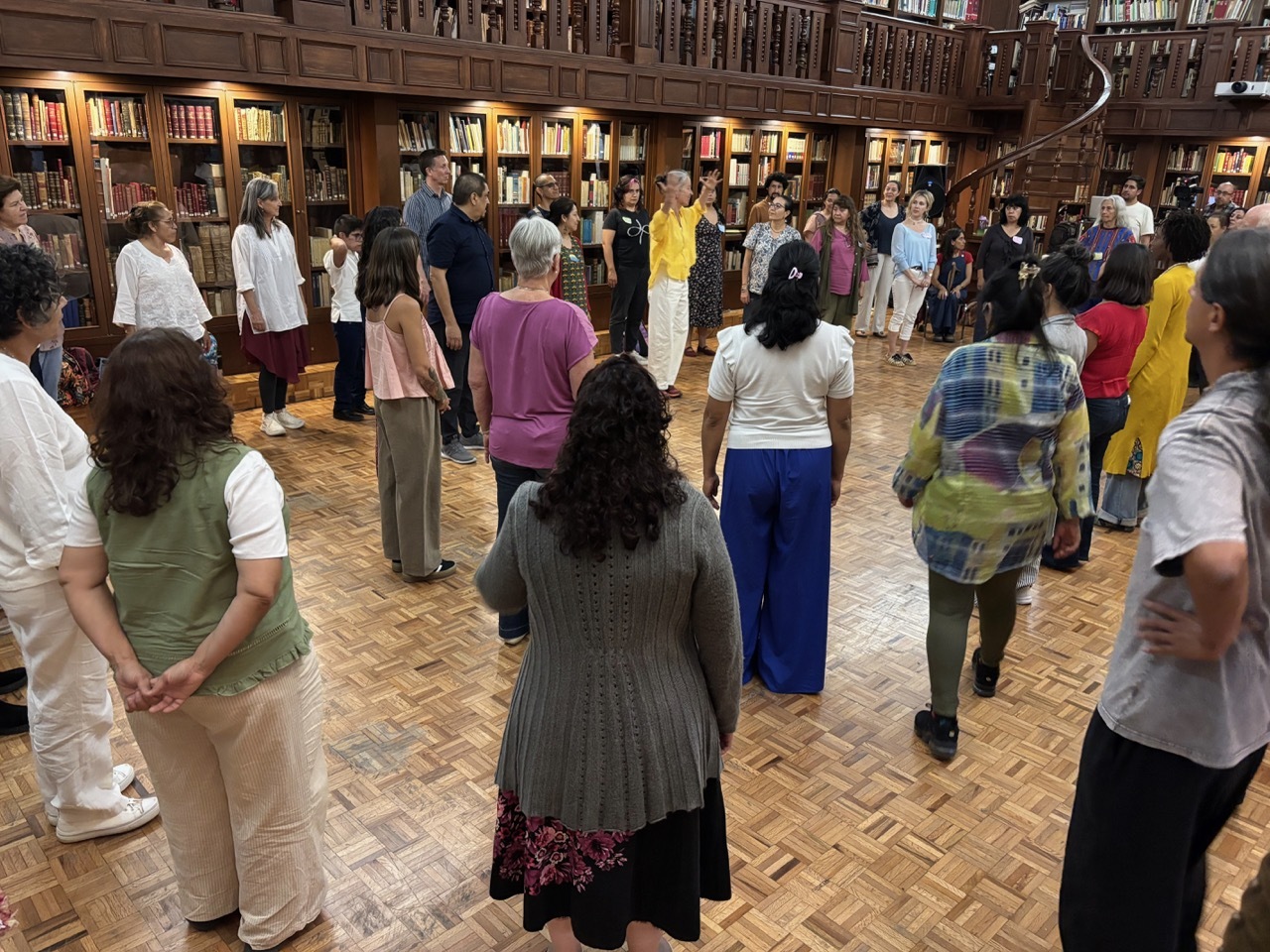
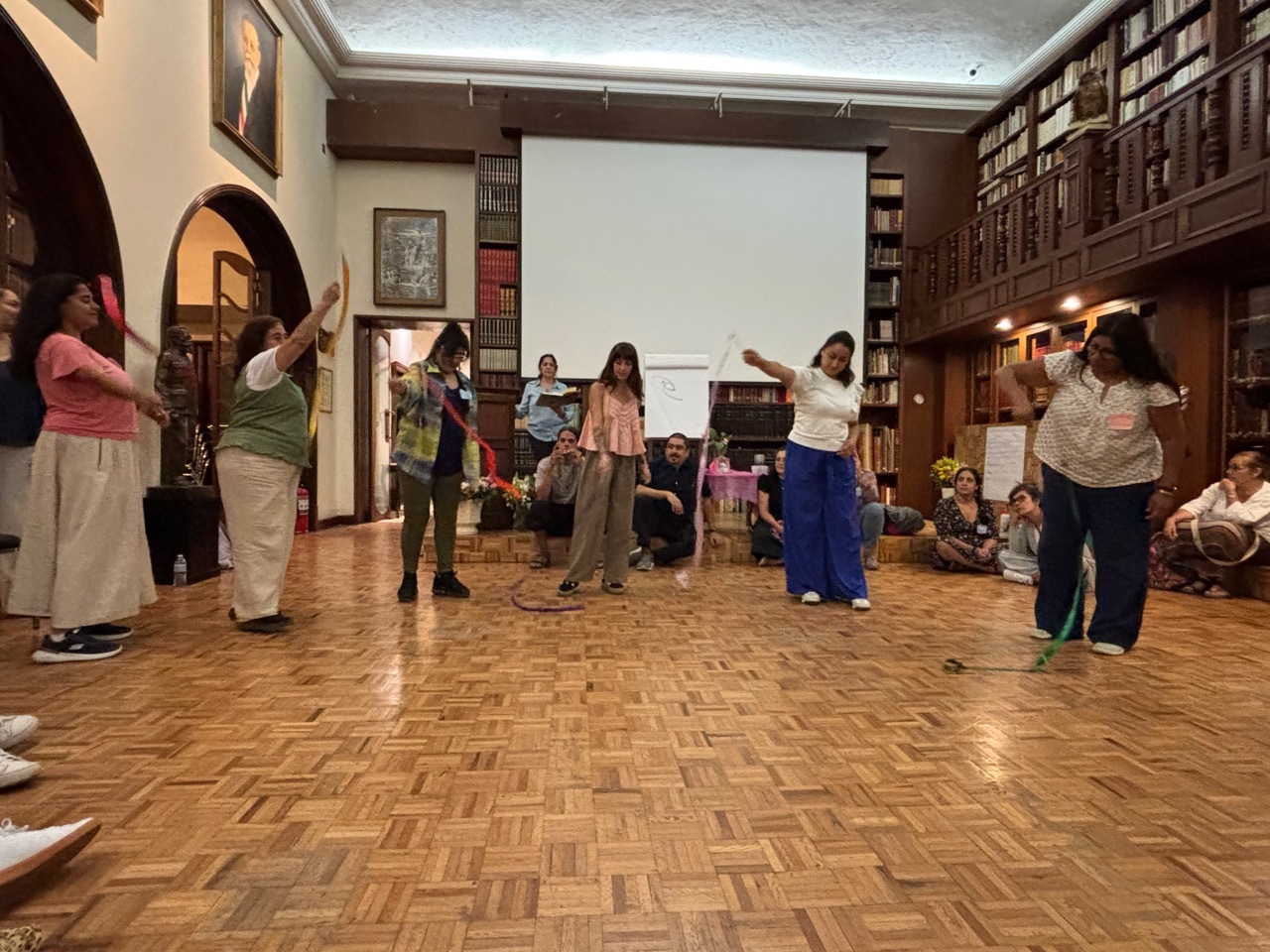
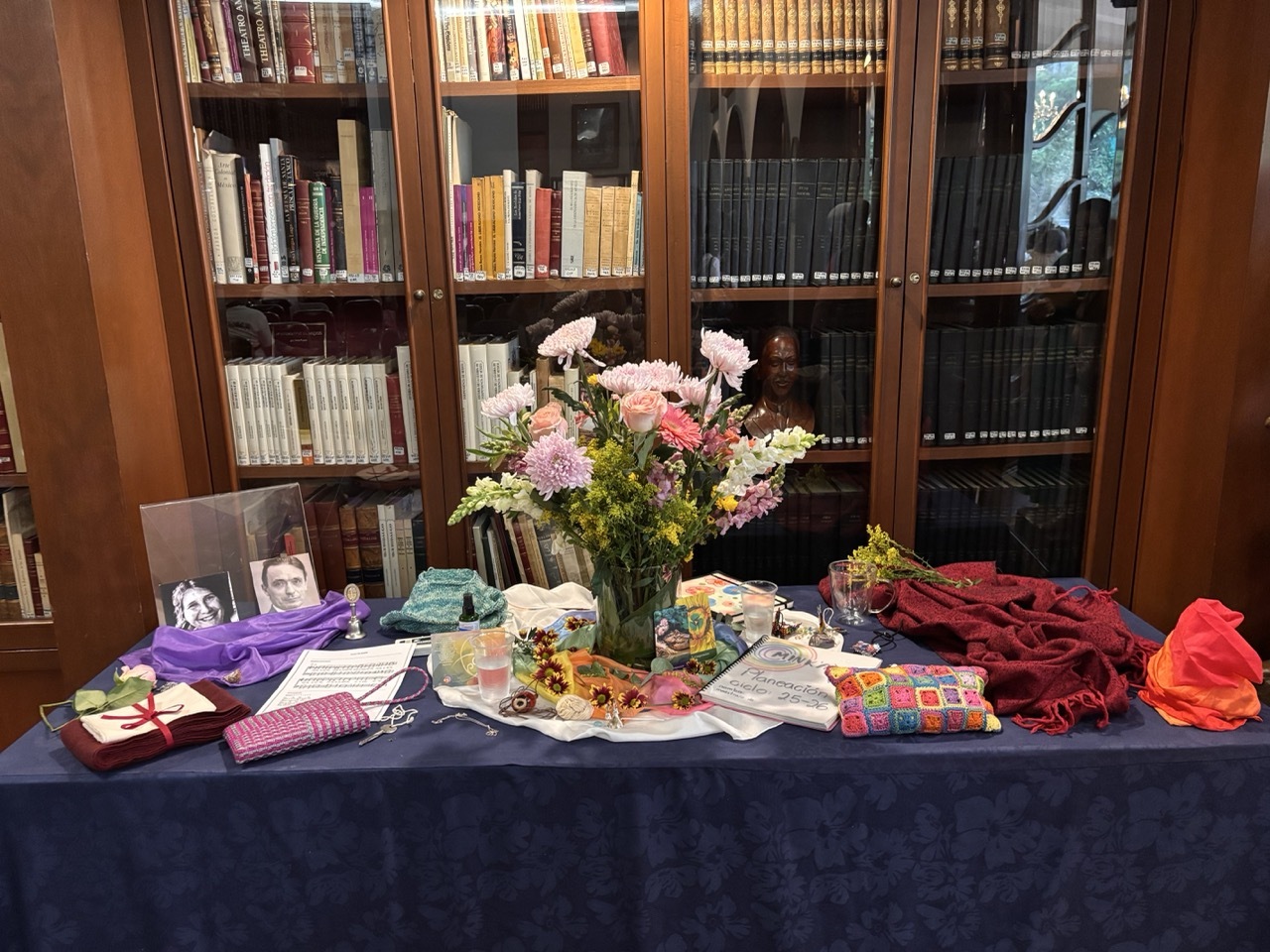
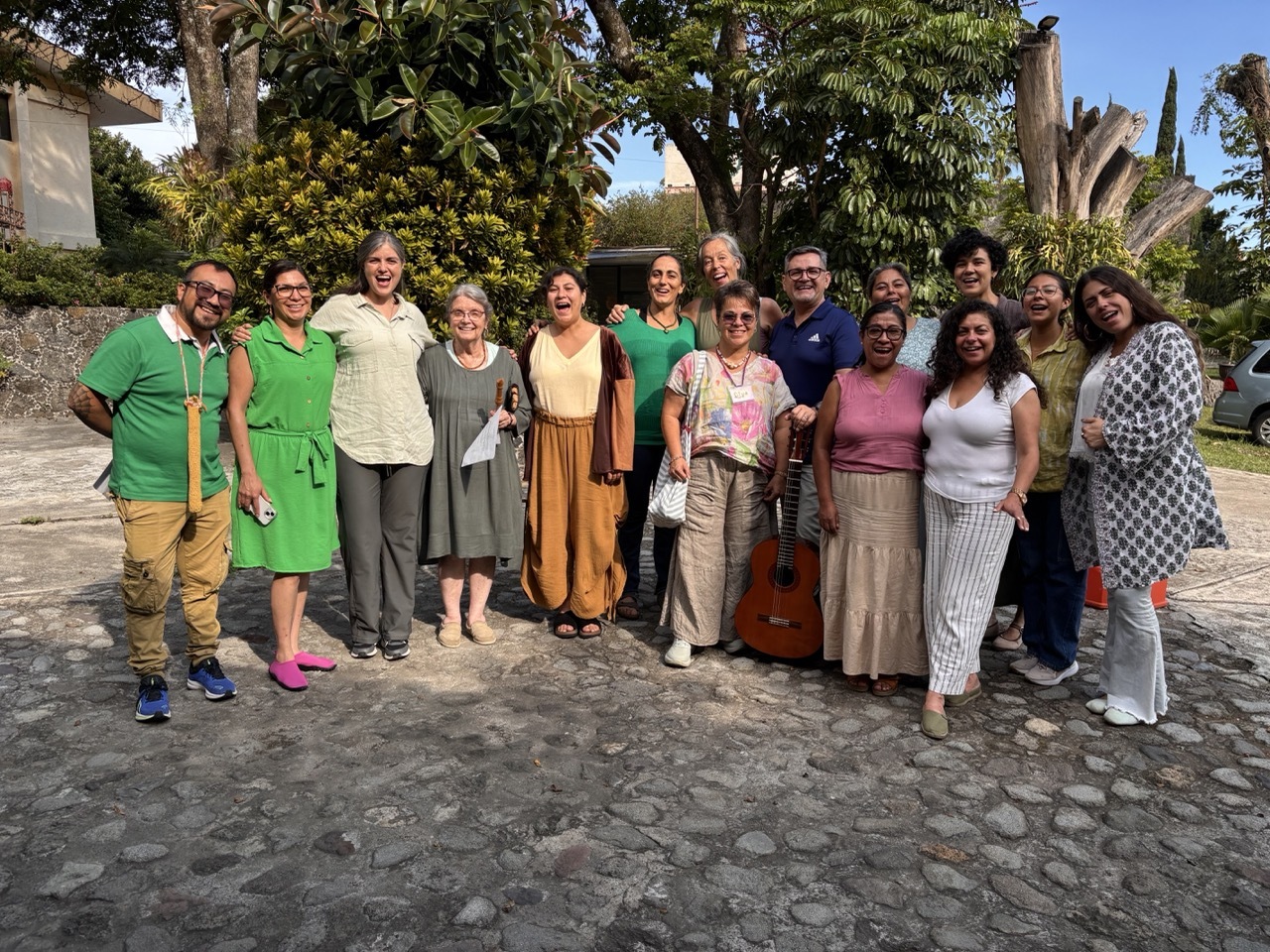
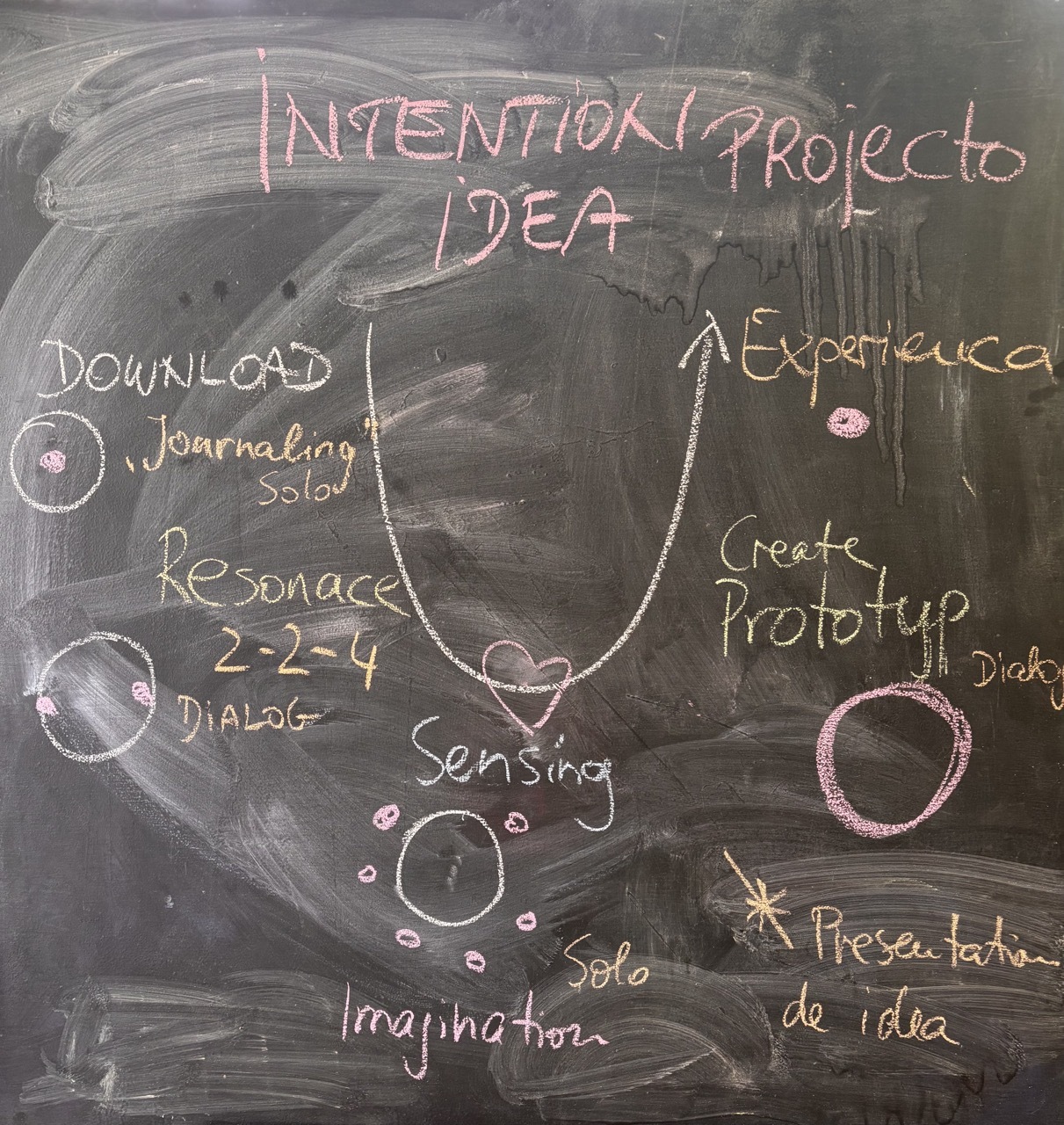
Following the conference, Sonja taught at GITA in Cuernavaca, Mexico. Together with third-year students in Waldorf education (about 15 people) and special education (about 20 people), she developed prototypes for designing participatory spaces. It was wonderful to witness how participants became aware of their experiences of inclusion and exclusion and to see what ideas emerged through active reflection on these processes. The participants discovered ways to reshape social situations, ranging from small, private family settings to interactions with government agencies or at a Waldorf school.
We are happy that our section team can contribute in Mexico, always taking regional issues, opportunities, and needs into account. Every culture needs to find its own path with anthroposophy and its fields of practice – mindfully and in harmony with local conditions!